What Is a Bartholin’s Cyst?
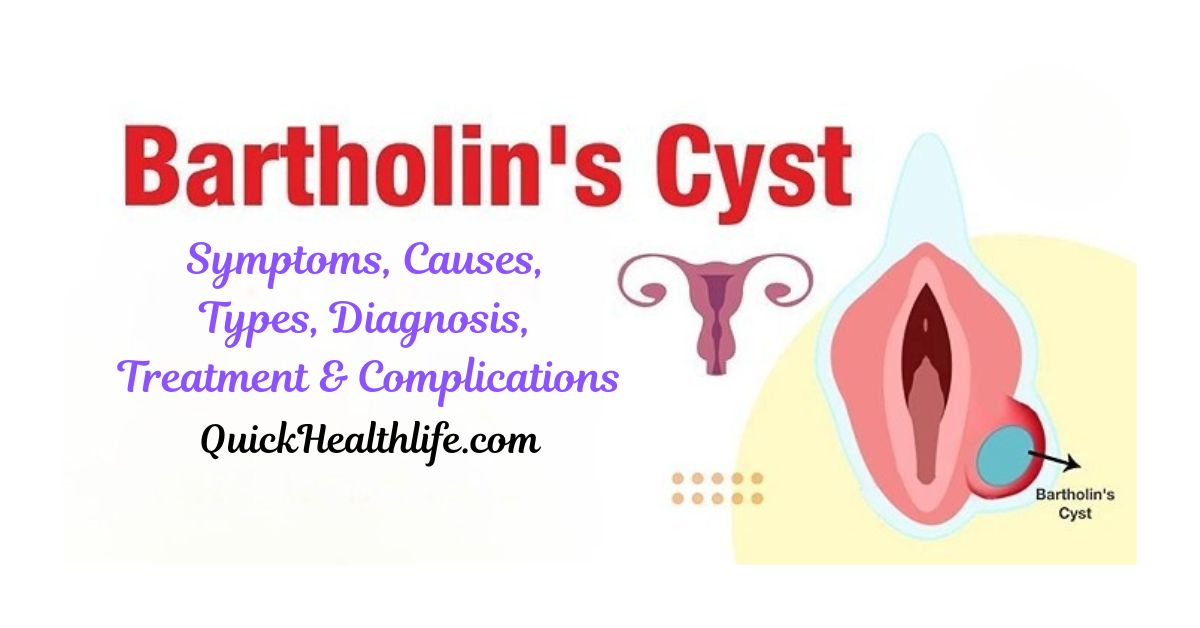
A Bartholin’s cyst forms when the Bartholin’s glands, located on each side of the vaginal opening, become blocked. These glands normally release fluid that keeps the vagina lubricated. When the ducts are blocked, fluid builds up, forming a small lump or cyst.
In some cases, the cyst can get infected, turning into a Bartholin’s abscess, which can be painful and swollen.
Table of Contents
What Does a Bartholin’s Cyst Look Like?
A Bartholin’s cyst usually appears as a small, round bump near the vaginal opening. It may feel soft or firm, depending on its size and fluid content. Most cysts are painless when small but may cause discomfort if they grow larger.
If you notice redness, warmth, or pus, it may indicate an infection. Many people wonder what does a vaginal cyst look like—it typically looks like a small swelling or lump, similar to a pimple but located deeper under the skin.
Causes of Bartholin’s Cyst
The main cause is a blockage in the gland’s duct. However, several factors can lead to this blockage:
- Bacterial infections such as E. coli or Staphylococcus aureus
- Sexually transmitted infections (STIs) like gonorrhea or chlamydia
- Poor hygiene or irritation from tight clothing
- Previous injury or trauma to the vaginal area
Regular hygiene and safe sexual practices can help reduce the risk of infection.
Symptoms of Bartholin’s Cyst
Most small cysts cause no symptoms. But as they grow or get infected, you may notice:
- A lump or swelling near the vaginal opening
- Pain or discomfort when walking or sitting
- Redness and warmth around the lump
- Pain during sex
- Fever or chills if infection develops
If you notice severe pain or swelling, consult a gynecologist immediately.
Types of Bartholin’s Cysts
There are two main types:
- Simple Bartholin’s Cyst – Fluid-filled, usually painless, and non-infected.
- Bartholin’s Abscess – Infected cyst filled with pus, causing pain, redness, and swelling.
Both types require medical attention, but treatment differs based on the infection.
Diagnosis: How Doctors Identify a Bartholin’s Cyst?
Doctors usually identify a Bartholin’s cyst through a physical examination. They may check the size, tenderness, and discharge. If the cyst looks infected, your doctor might:
- Collect a sample of fluid for lab testing.
- Perform a biopsy (rarely, to rule out cancer in older women).
Early diagnosis helps prevent complications.
Can a Bartholin’s Cyst Go Away by Itself?
Yes, small cysts often go away on their own without treatment. Applying a warm compress or taking a sitz bath (sitting in warm water for 10–15 minutes) several times a day can help the cyst drain naturally.
If the cyst gets infected or painful, medical treatment is necessary.
Treatment
1. Home Remedies
For small cysts:
- Apply a warm compress to ease discomfort.
- Take sitz baths to promote drainage.
- Maintain proper hygiene to avoid infection.
Avoid trying to burst a Bartholin’s cyst at home, as it can lead to infection or complications.
2. Medical Treatments
If home care doesn’t work, doctors may recommend:
- Antibiotics to treat infection (the best antibiotic for a Bartholin’s cyst depends on the bacteria involved).
- Incision and drainage, a minor procedure to remove fluid.
- Word catheter insertion, which allows continuous drainage for healing.
- Marsupialization, a surgical method for recurring cysts.
Each treatment is chosen based on the cyst’s size, pain, and infection level.
Is a Bartholin’s Cyst Dangerous?
In most cases, a Bartholin’s cyst is not dangerous. However, when infected, it can cause an abscess and severe pain. Rarely, in women over 40, doctors may check for Bartholin’s gland cancer, although it is very uncommon.
Prompt treatment prevents complications and ensures fast recovery.
Complications of Bartholin’s Cyst
If untreated, complications may include:
- Recurring infections
- Formation of abscesses
- Pain during intercourse or urination
- Scarring after repeated infections
Seeking timely medical help reduces these risks.
How to Prevent Bartholin’s Cyst
Prevention focuses on good hygiene and safe practices:
- Keep the vaginal area clean and dry.
- Wear loose cotton underwear.
- Avoid tight pants that cause friction.
- Practice safe sex to prevent infections.
These habits maintain vaginal health and lower the risk of cyst formation.
When to See a Doctor
See a doctor if:
- The cyst becomes painful or large.
- You develop fever or pus.
- It keeps coming back.
- You’re over 40 and notice new lumps.
Early medical advice ensures the best outcome.