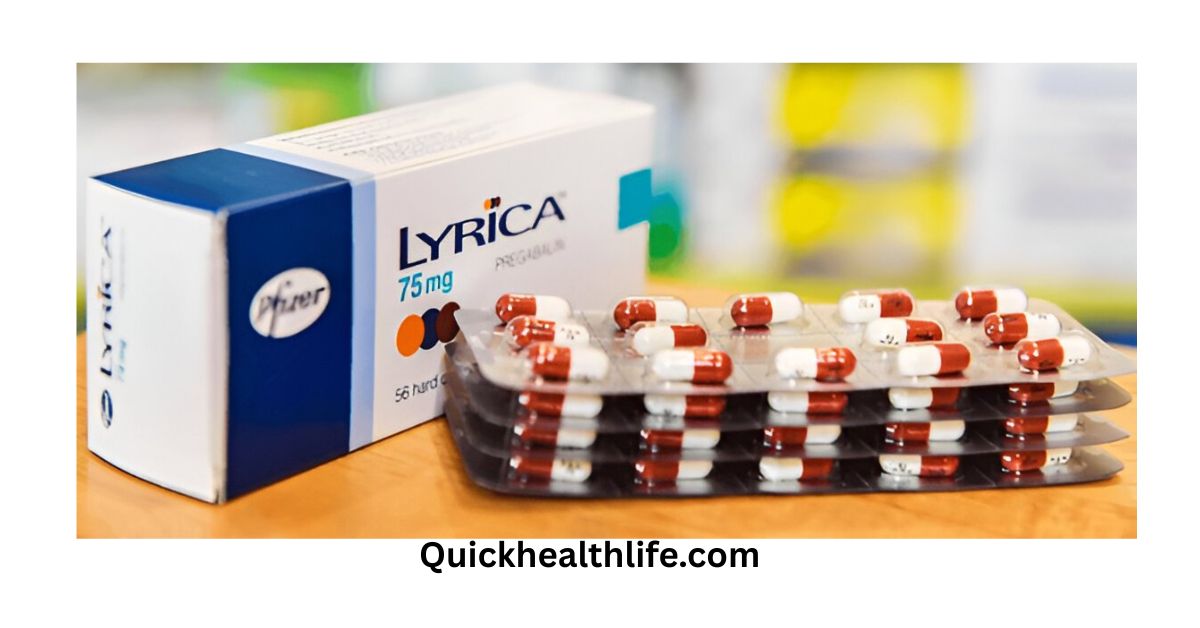
Lyrica, scientifically known as Pregabalin, is a prescription medicine widely used to treat nerve pain, fibromyalgia, seizures, and anxiety disorders. It works by calming the overactive nerves in your brain and body, providing relief from burning, tingling, and sharp pain sensations.
Many people wonder — “Is Lyrica an opioid?” The answer is no. Although it helps with pain, it’s not an opioid, nor does it act on opioid receptors. It’s part of the anticonvulsant or neuropathic pain medication family.
What is Lyrica (Pregabalin)?
Lyrica is a prescription medication developed by Pfizer, approved by the U.S. FDA in 2004. It’s primarily used to treat conditions like:
- Neuropathic pain from diabetes (Diabetic Neuropathy)
- Fibromyalgia
- Nerve pain after shingles (Postherpetic Neuralgia)
- Partial-onset seizures
- Generalized Anxiety Disorder (in some countries)
It’s available in several strengths like 25 mg, 50 mg, 75 mg, 150 mg, and 300 mg capsules.
Table of Contents
How Does Lyrica Work?
Lyrica works by binding to a specific part of the nerve cells called the alpha-2-delta subunit of calcium channels. This reduces the release of certain chemicals that cause pain or seizures, such as glutamate and norepinephrine.
In simple words — it calms overactive nerves, reduces pain signals, and helps your brain relax. That’s why many patients report both pain relief and better sleep after using Lyrica regularly.
Common Uses of Lyrica
Here are the most common medical conditions where doctors prescribe Lyrica:
- Neuropathic Pain due to diabetes or spinal cord injury
- Fibromyalgia (chronic muscle pain and fatigue)
- Epilepsy/Seizures (as an add-on treatment)
- Postherpetic Neuralgia (nerve pain after shingles)
- Anxiety Disorders (in Europe and the UK mainly)
Doctors sometimes also prescribe it off-label for insomnia or restless leg syndrome.
Lyrica for Nerve Pain
If you’ve ever experienced burning, tingling, or shooting pain due to nerve damage, Lyrica might be your relief. Studies show that Lyrica 75 mg twice a day can significantly reduce diabetic neuropathic pain within 1–2 weeks.
It’s often preferred over regular painkillers because it targets nerve pain directly, not just general discomfort.
Lyrica vs. Gabapentin
Both Lyrica (Pregabalin) and Gabapentin belong to the same drug family and are used to treat nerve pain. However, there are key differences:
| Feature | Lyrica (Pregabalin) | Gabapentin |
|---|---|---|
| Strength | More potent | Less potent |
| Absorption | Faster and more predictable | Slower |
| Onset | Works within a week | May take several weeks |
| Dosing | 1-2 times a day | 3 times a day |
| Cost | More expensive | Cheaper |
Which is better?
Lyrica is generally stronger and faster-acting, but gabapentin is often preferred for long-term mild pain due to cost efficiency.
Dosage and How to Take Lyrica
Lyrica dosage varies depending on your condition:
| Condition | Typical Dosage | Maximum Dose |
|---|---|---|
| Nerve pain (diabetes) | 50–75 mg twice daily | 300 mg/day |
| Fibromyalgia | 75 mg twice daily | 450 mg/day |
| Epilepsy | 150–600 mg/day (divided doses) | 600 mg/day |
| Anxiety | 75–150 mg twice daily | 600 mg/day |
Tips for taking Lyrica safely:
- Take it at the same time daily.
- Swallow whole with water (don’t crush or chew).
- Don’t stop suddenly — taper off slowly under medical supervision.
Lyrica Side Effects
Like any medicine, Lyrica has side effects. Most are mild, but some can be serious.
Common side effects:
- Dizziness or sleepiness
- Weight gain
- Blurred vision
- Swelling in hands or feet
- Dry mouth
Serious but rare side effects:
- Suicidal thoughts
- Allergic reactions (swelling of face or lips)
- Muscle pain or weakness
- Vision loss
👉 Note: If you experience mood changes or difficulty breathing, stop taking it and contact your doctor immediately.
Warnings & Precautions
Before taking Lyrica, tell your doctor if you have:
- Kidney disease
- Heart problems (can cause fluid retention)
- Depression or mood disorders
- Pregnancy or breastfeeding
Avoid driving or operating machinery until you know how it affects you. Mixing Lyrica with alcohol or opioids increases the risk of drowsiness and breathing issues.
Can Lyrica Damage the Liver or Kidneys?
Lyrica is not known to damage the liver, but it’s processed through the kidneys, so patients with kidney disease should use lower doses. Doctors often monitor kidney function if the medicine is taken long-term.
Is Lyrica Addictive or an Opioid?
No, Lyrica isn’t an opioid. However, it can cause dependence if misused, especially at higher doses or when combined with sedatives. Always take it exactly as prescribed.
Lyrica for Anxiety and Depression
Lyrica has anxiolytic properties, meaning it helps reduce anxiety by calming nerve activity. It’s used in some countries for Generalized Anxiety Disorder (GAD).
While it may improve mood and sleep, it’s not classified as an antidepressant.
Interactions with Other Medications
Avoid taking Lyrica with:
- Alcohol or opioids (increases sedation)
- CNS depressants like sleeping pills
- Antihistamines (enhances drowsiness)
- ACE inhibitors (may increase swelling risk)
Always consult your doctor before combining Lyrica with any new medication.
How Long Can You Take Lyrica Safely?
Many people take Lyrica for months or even years safely under medical supervision. However, long-term use requires regular checkups to monitor kidney function and side effects.
Lyrica Withdrawal Symptoms
Stopping Lyrica suddenly can cause withdrawal symptoms like:
- Headache
- Nausea
- Anxiety or irritability
- Insomnia
To avoid this, your doctor will guide you to gradually reduce the dose over 1–2 weeks.
FAQs About Lyrica
1. Is pregabalin a strong painkiller?
Yes, Lyrica (pregabalin) is considered a strong nerve painkiller, though it’s not an opioid.
2. Which is better: gabapentin or pregabalin?
Pregabalin (Lyrica) works faster and has stronger effects, but gabapentin may be safer for long-term use.
3. Can Lyrica damage the liver?
No, Lyrica rarely affects the liver, but kidney monitoring is important.
4. Is pregabalin an antidepressant?
No, but it can help relieve anxiety and improve mood in some patients.
5. How long does it take for Lyrica to work?
Most people feel relief within 1 week, but full benefits may take 2–4 weeks.
6. Can I take Lyrica with painkillers?
Yes, but always ask your doctor — especially if using opioids or sedatives.