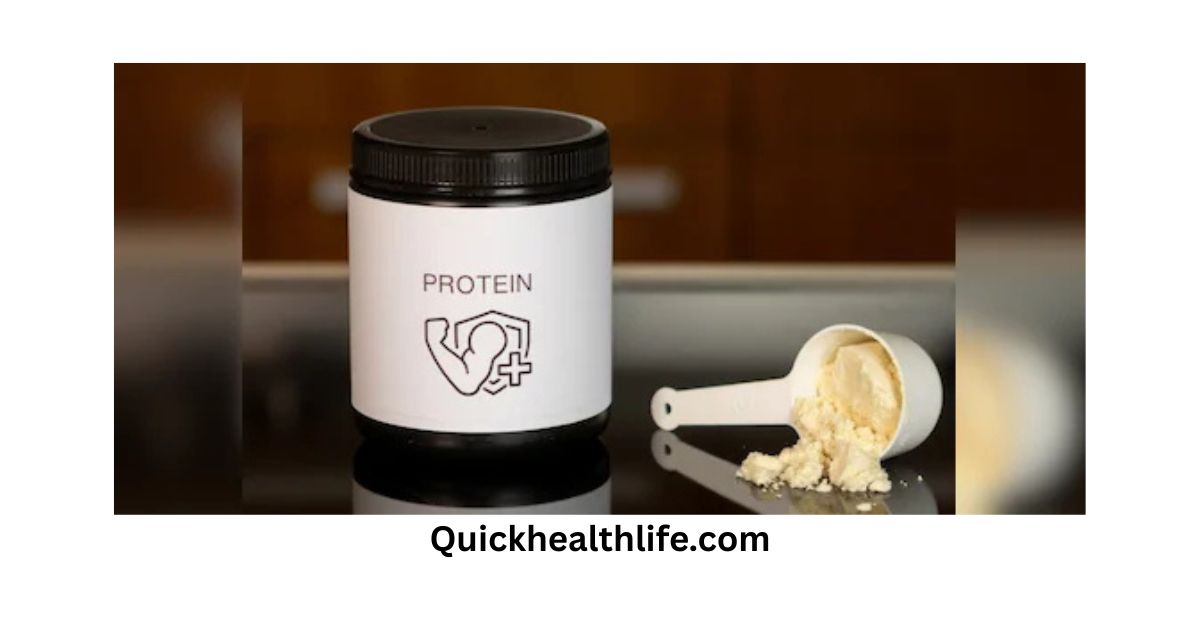
Protein powders are a staple for fitness enthusiasts and athletes. They help in muscle building, weight management, and overall health. However, finding lead in these supplements raises serious safety concerns.
What is Lead Contamination in Protein Powders?
Lead is a heavy metal that can enter protein powders during manufacturing or from raw ingredients like whey, soy, or plant-based proteins. Even tiny amounts of lead can be harmful over time, especially if consumed daily.
Lead contamination is dangerous because:
- It accumulates in the body
- Affects brain function
- Damages kidneys and liver
- Weakens bones and blood production
Table of Contents
How Lead Ends Up in Protein Powders
There are a few common ways lead contaminates supplements:
- Soil Contamination: Plants used for protein may absorb lead from polluted soil.
- Water Pollution: Manufacturing water containing lead can taint the powder.
- Processing Equipment: Poorly maintained machinery may introduce heavy metals.
- Packaging: Certain containers or tins may leach lead over time.
Protein Powders Most Affected by Lead
Recent lab testing has highlighted popular brands of whey, soy, and plant-based protein powders that contain measurable lead levels. While the exact brands vary by study, the main takeaway is: not all powders are safe.
Tips to avoid contaminated powders:
- Check for third-party testing certifications
- Avoid extremely cheap powders
- Read customer reviews and independent lab reports
Health Risks of Consuming Lead
Even low levels of lead can be harmful if consumed regularly. Some common health risks include:
- Neurological Problems: Memory loss, irritability, reduced concentration
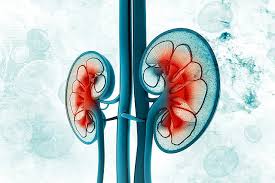
- Kidney Damage: Long-term exposure can harm renal function
- Cardiovascular Issues: Lead increases blood pressure and heart risks
- Developmental Issues: Dangerous for children and teenagers
- Immune System Weakness: Chronic exposure reduces immunity
Recommended Safe Limits
The U.S. Food and Drug Administration (FDA) recommends:
- Lead intake for adults: Less than 12.5 micrograms per day
- Children: Even lower limits, ideally zero exposure
Many protein powders exceed these limits if taken daily, which is why it’s essential to choose tested and certified brands.
Signs Your Protein Powder May Be Unsafe
Watch for these warning signs:
- Strong chemical or metallic smell
- Unusual taste
- No labeling on heavy metals testing
- Very low-priced powders from unknown brands
If your supplement meets any of these criteria, stop using it immediately and check for lab test reports.
Safe Protein Powder Alternatives
Choosing the right protein powder is critical. Here’s what to look for:
- Third-Party Certified Brands: NSF Certified, Informed-Choice, or USP Verified
- Organic or Non-GMO Products: Less likely to have soil contamination
- Plant-Based Powders: Pea, hemp, or rice protein from clean sources
- Whey Isolate: Better processed and filtered, reducing heavy metals
How to Reduce Lead Intake from Supplements
Even with testing, taking extra precautions helps:
- Rotate protein sources (don’t rely on one brand daily)
- Limit protein powder intake according to dietary needs
- Use natural protein foods like eggs, milk, or legumes
- Keep a check on the latest FDA or independent lab reports
FAQs About Protein Powder and Lead Contamination
1. Can protein powders really have lead?
Yes, testing shows that some popular powders contain trace to moderate lead levels.
2. Is lead harmful in small amounts?
Even small amounts accumulate over time and can cause serious health problems.
3. Which protein powders are safest?
Look for third-party tested powders, organic options, and certified brands.
4. Can children take protein powders safely?
Children should avoid powders unless prescribed by a doctor, as they are more sensitive to lead.
5. How often should I check for contamination updates?
Check FDA and independent lab reports every 6–12 months.
6. Are plant-based powders safer than whey?
Not always. Plant-based powders can also absorb lead from soil. Certification matters more than type.
How to Test Your Protein Powder for Lead at Home
While professional lab tests are best, you can use lead testing kits available online.
- Dip a test strip in a dissolved sample of the powder
- Compare the color change to the kit instructions
- Confirm with a certified lab if positive