What is Bipolar Disorder?
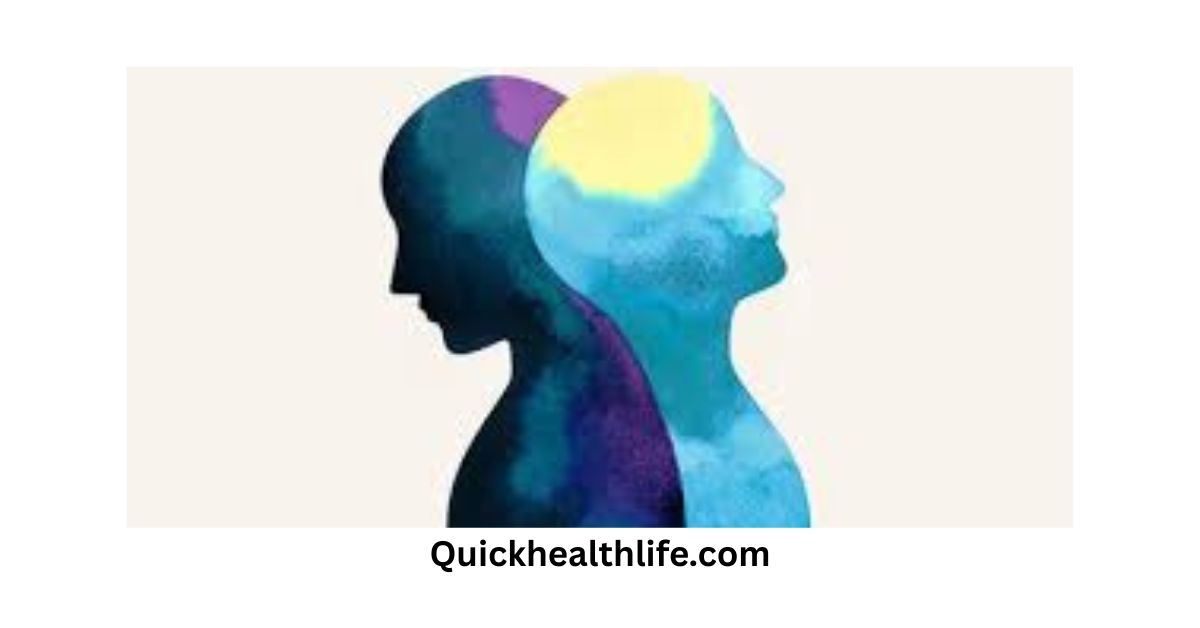
Bipolar disorder is a chronic mental illness characterized by unusual shifts in mood, energy levels, and activity. These mood episodes range from intense euphoria or irritability (mania) to deep sadness and hopelessness (depression).
It affects how a person thinks, feels, and behaves, often disrupting daily life, work, and relationships.
Table of Contents
Common Symptoms of Bipolar Disorder
Symptoms vary depending on the phase—manic or depressive—the person is experiencing.
Manic Phase Symptoms
- Feeling extremely energetic or euphoric
- Racing thoughts and fast speech
- Reduced need for sleep
- Impulsive or risky behavior
- Inflated self-esteem
Depressive Phase Symptoms
- Persistent sadness or emptiness
- Fatigue or lack of energy
- Trouble concentrating
- Feelings of guilt or worthlessness
- Thoughts of death or suicide
These shifts aren’t just mood changes—they can significantly affect one’s ability to function.
Bipolar Disorder Symptoms in Females
While both men and women experience bipolar disorder, women often have more depressive episodes and may experience rapid mood shifts.
Unique symptoms in females include:
- More mixed episodes (feeling manic and depressed simultaneously)
- Hormonal triggers (pregnancy, menstrual cycle, menopause)
- Higher risk of anxiety and eating disorders
- Longer depressive periods
According to mental health experts, hormonal fluctuations play a key role in how bipolar disorder manifests in women.
What Causes Bipolar Disorder?
The exact cause isn’t known, but researchers believe a combination of genetics, environment, and brain chemistry contribute to the disorder.
Main Causes Include:
- Genetic factors: Family history increases risk.
- Biological differences: Brain structure and chemical imbalances.
- Stress and trauma: Major life changes or abuse can trigger episodes.
- Sleep disruption: Poor sleep can worsen symptoms.
What Causes Bipolar Disorder in the Brain?
Bipolar disorder involves imbalances in neurotransmitters—chemicals that transmit signals in the brain. The most affected ones are dopamine, serotonin, and norepinephrine.
Brain imaging studies show that areas responsible for mood regulation, like the amygdala and prefrontal cortex, function differently in people with bipolar disorder.
Types of Bipolar Disorder
Doctors classify bipolar disorder into several types based on the pattern and severity of mood episodes.
- Bipolar I Disorder: At least one manic episode lasting a week or more.
- Bipolar II Disorder: Hypomanic episodes with major depression.
- Cyclothymic Disorder: Chronic mood fluctuations for 2+ years.
- Other Specified Bipolar Disorders: Symptoms not fitting other categories.
What Are the 7 Types of Bipolar Disorder?
Researchers and psychiatrists identify these seven classifications:
- Bipolar I Disorder
- Bipolar II Disorder
- Cyclothymia
- Mixed Features
- Rapid Cycling
- Bipolar Disorder with Seasonal Pattern
- Bipolar Disorder Induced by Substance or Medication
Each type requires a unique treatment approach.
How is Bipolar Disorder Diagnosed?
Diagnosis involves a comprehensive mental health evaluation, including medical history and behavior assessment.
Doctors use the DSM-5 criteria (Diagnostic and Statistical Manual of Mental Disorders) to identify bipolar disorder.
Often, it takes time because symptoms can mimic depression, anxiety, or ADHD.
Bipolar Disorder Test and Evaluation
While there’s no single blood test for bipolar disorder, mental health professionals may use:
- Mood questionnaires
- Psychiatric interviews
- Brain imaging (MRI/CT scans) to rule out other issues
- Thyroid tests to exclude hormonal causes
If you suspect symptoms, consult a psychiatrist or take an initial bipolar disorder test online (for screening, not diagnosis).
Treatment
Bipolar disorder treatment focuses on managing symptoms and preventing relapses.
Main Treatments Include:
- Medication: Mood stabilizers, antidepressants, and antipsychotics.
- Psychotherapy: Cognitive Behavioral Therapy (CBT), Interpersonal Therapy.
- Lifestyle Management: Regular sleep, healthy diet, and stress control.
- Support Groups: Sharing experiences with others helps recovery.
Pro Tip by Umesh Yadav: Never stop your medication abruptly without consulting your doctor—it can trigger relapse.
Can You Live a Normal Life with Bipolar Disorder?
Yes! With proper treatment, consistency, and support, many people live balanced and successful lives.
Routine, therapy, and medication compliance are key to stability.
Famous personalities like Carrie Fisher and Demi Lovato openly shared their bipolar journey, proving recovery is possible.
What Are the 5 Signs of Bipolar Disorder?
- Extreme mood swings
- Changes in sleep pattern
- High energy followed by exhaustion
- Difficulty focusing
- Impulsive decisions
If these persist, seek a medical evaluation.
How Does a Bipolar Person Feel?
Bipolar individuals often describe their emotions as a rollercoaster—feeling on top of the world one week and completely drained the next.
Mania brings excitement and confidence, while depression brings guilt and hopelessness.
Possible Complications of Bipolar Disorder
Without proper care, bipolar disorder can lead to:
- Relationship issues
- Substance abuse
- Financial problems
- Self-harm or suicidal thoughts
- Poor physical health due to irregular routines
Early treatment reduces these risks significantly.
Coping Strategies & Lifestyle Tips
- Maintain a consistent sleep schedule
- Track your moods daily
- Exercise regularly
- Avoid alcohol and drugs
- Build a strong support network
These healthy habits complement medical treatment effectively.
When to See a Doctor
Consult a doctor if:
- Mood swings interfere with your life
- You notice unusual behavior changes
- You have suicidal thoughts
If someone is in danger, call emergency services immediately.
Frequently Asked Questions (FAQs)
1. Is bipolar disorder curable?
No, but it’s manageable with long-term treatment and lifestyle changes.
2. What causes bipolar disorder in the brain?
Chemical imbalances and abnormal brain activity are key causes.
3. Can stress trigger bipolar disorder?
Yes, stress and trauma can trigger episodes in genetically predisposed individuals.
4. Are there natural treatments for bipolar disorder?
While not replacements, yoga, meditation, and omega-3 supplements may help.
5. What is the bipolar disorder abbreviation?
Commonly abbreviated as BD.
6. Can people with bipolar disorder work full-time?
Yes, many do—especially with proper medication and coping strategies.