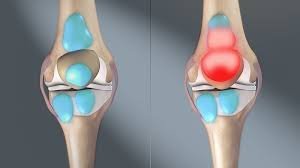
What Is Bursitis?
Bursitis is a painful condition that happens when the bursa becomes swollen or irritated.
A bursa is a small fluid-filled sac in your body. It works like a cushion between bones, muscles, tendons, and joints.
Its main job is to reduce friction.
When this sac becomes inflamed, it causes pain, swelling, and difficulty moving.
Bursitis usually affects:
- Shoulder
- Hip
- Elbow
- Knee
- Heel
This condition can happen to anyone, but it’s more common in:
- Older adults
- Athletes
- People who repeat the same movement daily
- Workers with physically demanding jobs
Table of Contents
Why Bursitis Happens
Understanding the causes of bursitis is very important.
There are many reasons why bursitis develops.
1. Repetitive Motion
Doing the same movement again and again can irritate the bursa.
Examples:
- Painting
- Gardening
- Lifting heavy objects
- Typing for long hours
2. Injury
A direct hit or fall on a joint can inflame the bursa.
3. Poor Posture
Bad sitting posture puts stress on joints.
4. Infection
Sometimes bacteria infect the bursa.
This is called septic bursitis.
5. Medical Conditions
Some health problems increase bursitis risk:
- Arthritis
- Diabetes
- Gout
- Thyroid disorders
Common Bursitis Symptoms
Knowing bursitis symptoms helps in early treatment.
Here are the most common signs:
Pain
Pain is the biggest symptom.
It becomes worse when moving the affected joint.
Swelling
The area may look puffy or enlarged.
Redness
Sometimes the skin becomes red.
Warmth
The joint may feel warm to touch.
Limited Movement
You may struggle to move normally.
Tenderness
Touching the affected area can hurt.
Is Bursitis Painful
Yes, bursitis is painful.
The pain level depends on:
- The location
- The severity
- Whether infection is present
Pain can feel:
- Sharp
- Aching
- Burning
- Stiff
For some people, it starts mild and becomes worse.
For others, it appears suddenly.
Types of Bursitis
There are different types of bursitis depending on the affected joint.
Bursitis Hip
Hip bursitis affects the outer hip.
Symptoms
- Pain outside the hip
- Pain while walking
- Trouble sleeping on one side
Causes:
- Running
- Climbing stairs
- Hip injury
Bursitis Shoulder
Shoulder bursitis is common.
It affects movement and daily activities.
Symptoms
- Shoulder pain
- Difficulty lifting arm
- Weakness
Common causes:
- Sports
- Repetitive lifting
- Rotator cuff strain
Knee Bursitis
This is common in people who kneel often.
Symptoms:
- Swelling over knee
- Pain when bending
- Redness
Elbow Bursitis
This causes swelling at the back of the elbow.
It may look like a small lump.
How Is Bursitis Diagnosed
Many people ask, how is bursitis diagnosed?
Doctors use several methods.
Physical Examination
The doctor checks:
- Pain location
- Swelling
- Joint movement
Medical History
They ask about:
- Recent injury
- Work habits
- Repetitive activities
Imaging Tests
Doctors may order:
| Test | Purpose |
|---|---|
| X-ray | Rule out bone issues |
| MRI | Detailed soft tissue view |
| Ultrasound | Detect swelling |
| CT scan | Advanced imaging |
Fluid Testing
If infection is suspected, fluid is removed for testing.
How I Cured My Bursitis
Many readers ask about how I cured my bursitis.
Here’s the step-by-step recovery method based on proven care methods and practical experience.
Step 1: Rest
I stopped activities causing pain.
This gave the bursa time to heal.
Step 2: Ice Therapy
I applied ice for 20 minutes.
This reduced swelling.
Step 3: Gentle Stretching
After pain reduced, stretching improved flexibility.
Step 4: Anti-inflammatory Care
Using doctor-recommended medicines helped control pain.
Step 5: Better Posture
Correct posture reduced pressure.
Step 6: Gradual Exercise
I slowly returned to movement.
This prevented stiffness.
Consistency helped me recover.
Best Bursitis Treatment Options
There are many effective bursitis treatment methods.
1. Rest
Avoid painful activity.
This is the first treatment.
2. Ice Packs
Apply for 15 to 20 minutes.
Repeat 3 to 4 times daily.
3. Pain Relief Medicines
Doctors may recommend:
- Ibuprofen
- Naproxen
- Acetaminophen
4. Physical Therapy
Therapy strengthens muscles.
It improves movement.
5. Corticosteroid Injection
Used for severe inflammation.
It gives fast relief.
6. Antibiotics
Needed if infection causes bursitis.
7. Surgery
Rarely needed.
Only for severe cases.
Natural Remedies for Bursitis
Some natural methods can help.
Turmeric
Helps reduce inflammation.
Warm Compress
Relaxes stiff muscles.
Massage
Improves circulation.
Healthy Diet
Anti-inflammatory foods help recovery.
Eat:
- Fruits
- Vegetables
- Fish
- Nuts
Exercises for Recovery
These simple exercises help.
Shoulder Rolls
Improves shoulder bursitis.
Hip Stretch
Helpful for bursitis hip.
Leg Raises
Strengthens surrounding muscles.
Wall Slides
Improve shoulder movement.
Always do exercises slowly.
Stop if pain increases.
Prevention Tips
Preventing bursitis is easier than treating it.
Use Proper Posture
Sit and stand correctly.
Take Breaks
Avoid repeating movements for too long.
Warm Up Before Exercise
Prepare joints properly.
Maintain Healthy Weight
Extra weight stresses joints.
Use Protective Padding
Especially for knees and elbows.
When To See a Doctor
Seek medical help if:
- Pain becomes severe
- Fever develops
- Swelling increases
- Joint becomes red and hot
- Movement becomes impossible
Early treatment prevents complications.
Frequently Asked Questions About Bursitis
1. Can bursitis heal on its own
Yes, mild bursitis often heals with rest.
2. Is walking good for bursitis hip
Gentle walking helps, but avoid overdoing it.
3. How long does bursitis take to heal
Usually 2 to 8 weeks.
4. Can bursitis come back
Yes, if the cause continues.
5. Is bursitis dangerous
Usually no, but infected bursitis needs quick treatment.
6. What is the fastest bursitis treatment
Rest, ice, anti-inflammatory care, and therapy.
7. Can exercise worsen bursitis
Yes, if done too early or incorrectly.
8. Does shoulder bursitis require surgery
Rarely.
Most cases improve without surgery.