Boils are one of the most common skin problems that affect people of all ages. Many people experience a boil at least once in their life. While a single boil may not be dangerous, it can be painful, uncomfortable, and sometimes lead to serious infections if ignored.
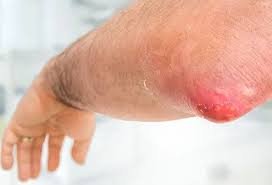
A boil usually starts as a small red bump on the skin. Over time, it becomes larger, swollen, and filled with pus. The affected area may become painful and sensitive to touch. In some cases, multiple boils can appear together and form a larger infection.
Table of Contents
What Are Boils?
A boil is a painful skin infection that develops inside a hair follicle or oil gland. It occurs when bacteria enter the skin and cause inflammation.
The most common bacteria responsible for boils is Staphylococcus aureus. This bacteria normally lives on the skin but can enter the body through small cuts, scratches, or damaged skin.
As the infection grows, the body’s immune system sends white blood cells to fight it. This leads to the formation of pus, which contains dead cells, bacteria, and tissue debris.
Boils can appear anywhere on the body but are more common in areas where sweat and friction occur frequently.
Common locations include:
- Face
- Neck
- Armpits
- Shoulders
- Thighs
- Buttocks
- Groin area
Symptoms of Boils
Recognizing the symptoms early can help prevent complications.
Early Symptoms of Boils
In the beginning, a boil may look like a small pimple or insect bite.
Common early symptoms include:
- Small red bump on the skin
- Mild pain or tenderness
- Slight swelling
- Warm feeling around the affected area
Advanced Symptoms of Boils
As the infection develops, symptoms become more noticeable.
These may include:
- Increased redness
- Larger swollen lump
- Severe pain
- Pus-filled center
- Soft yellow or white head
- Skin warmth
- Itching around the boil
Severe Symptoms
In more serious cases, additional symptoms may occur.
These include:
- Fever
- Chills
- Fatigue
- Swollen lymph nodes
- Multiple boils appearing together
- Spread of infection to nearby skin
Medical attention may be required if these symptoms develop.
What Causes Boils?
Several factors can increase the risk of developing boils.
Bacterial Infection
The primary cause of boils is bacterial infection. Staphylococcus aureus bacteria enter the skin through small openings and infect hair follicles.
Poor Hygiene
Poor personal hygiene allows bacteria to grow and spread more easily on the skin.
Excessive Sweating
People who sweat heavily are more likely to develop boils because moist skin creates an environment where bacteria can thrive.
Friction on Skin
Constant rubbing from clothing or skin-to-skin contact can damage the skin and allow bacteria to enter.
Weak Immune System
People with weakened immune systems have a higher risk of developing infections, including boils.
Diabetes
Diabetes can affect the body’s ability to fight infections, making boils more common.
Obesity
Extra skin folds and increased sweating may increase the likelihood of boils.
Skin Conditions
Certain skin problems can damage the protective skin barrier.
Examples include:
- Eczema
- Acne
- Dermatitis
Sharing Personal Items
Sharing towels, razors, or clothing with infected individuals can spread bacteria.
Types of Boils
There are several different types of boils.
Furuncle
A furuncle is the most common type of boil. It develops in a hair follicle and becomes filled with pus.
Carbuncle
A carbuncle is a cluster of several boils connected beneath the skin.
Symptoms may include:
- Fever
- Fatigue
- Severe pain
- Larger infected area
Carbuncles are generally more serious than single boils.
Cystic Acne Boils
These develop deeper in the skin and are often associated with severe acne.
Pilonidal Cyst
These boils typically occur near the tailbone area.
They are common in people who sit for long periods.
Hidradenitis Suppurativa
This chronic condition causes painful lumps and boils in areas such as:
- Armpits
- Groin
- Under the breasts
It may require long-term medical treatment.
Risk Factors for Boils
Certain factors increase the risk of getting boils.
Close Contact With Infected Individuals
Boils can spread through direct skin contact.
Poor Nutrition
A lack of essential vitamins and minerals can weaken immunity.
Chronic Illnesses
Conditions such as diabetes and kidney disease can increase infection risk.
Smoking
Smoking may reduce the body’s ability to heal and fight infections.
Stress
Long-term stress can weaken immune function and increase susceptibility to infections.
How Are Boils Diagnosed?
Doctors usually diagnose boils through physical examination.
They may evaluate:
- Size of the boil
- Location
- Number of boils
- Presence of pus
- Signs of spreading infection
In severe or recurring cases, a sample of pus may be tested to identify the exact bacteria causing the infection.
Boils Treatment
Treatment depends on the size and severity of the boil.
Warm Compress
Applying a warm compress is one of the most effective home treatments.
Benefits include:
- Improved blood circulation
- Faster healing
- Encourages natural drainage
Apply a warm cloth for 10 to 15 minutes several times daily.
Keep the Area Clean
Wash the affected area gently using mild soap and water.
This helps reduce bacterial growth.
Drainage Procedure
Large boils may require drainage by a healthcare professional.
Never attempt to squeeze or cut a boil at home.
Doing so can spread the infection deeper into the skin.
Antibiotics
Doctors may prescribe antibiotics when:
- Infection spreads
- Fever develops
- Multiple boils occur
- Boils keep returning
Common antibiotic treatment depends on the specific bacteria involved.
Pain Relief
Over-the-counter pain relievers may help reduce discomfort and inflammation.
Home Remedies for Boils
Many small boils can improve with simple home care. Home remedies can help reduce pain, support healing, and prevent the infection from becoming worse.
Warm Compress Therapy
A warm compress remains the most recommended home remedy for boils.
To use it:
- Soak a clean cloth in warm water.
- Place it on the boil for 10 to 15 minutes.
- Repeat 3 to 5 times daily.
The warmth helps increase blood flow to the area and encourages the boil to drain naturally.
Keep the Skin Clean
Clean skin can reduce the amount of bacteria around the boil.
Tips include:
- Wash the area gently.
- Use clean towels.
- Change clothes regularly.
- Wash hands before and after touching the affected area.
Turmeric
Turmeric contains natural compounds that may help reduce inflammation.
Some people drink turmeric milk or use turmeric in their diet to support healing.
Tea Tree Oil
Tea tree oil has antibacterial properties. However, it should always be diluted before applying to the skin.
Never use concentrated tea tree oil directly on a boil.
Proper Rest
The body heals infections more effectively when it gets enough rest and sleep.
Aim for at least 7 to 8 hours of sleep every night.
Foods That May Help During Recovery
A healthy diet supports the immune system and helps the body fight infection.
Vitamin C Rich Foods
Vitamin C supports wound healing and immunity.
Examples include:
- Oranges
- Lemons
- Kiwi
- Guava
- Strawberries
Protein-Rich Foods
Protein helps repair damaged tissue.
Good sources include:
- Eggs
- Fish
- Chicken
- Lentils
- Beans
Zinc-Rich Foods
Zinc supports immune function.
Foods containing zinc include:
- Pumpkin seeds
- Nuts
- Whole grains
- Chickpeas
Water
Staying hydrated helps overall health and recovery.
Drink enough water throughout the day.
What Should You Avoid When You Have a Boil?
Many people accidentally make boils worse by using incorrect treatment methods.
Avoid the following:
Do Not Squeeze the Boil
Squeezing can force bacteria deeper into the skin.
This may cause:
- Increased infection
- Severe pain
- Scarring
- Spread of bacteria
Avoid Sharing Personal Items
Do not share:
- Towels
- Razors
- Clothing
- Bedding
Bacteria can spread through contaminated items.
Avoid Scratching
Scratching can damage surrounding skin and increase the risk of infection.
Do Not Use Dirty Bandages
Always use clean dressings if covering the boil.
Complications of Untreated Boils
Although many boils heal on their own, some can become serious if left untreated.
Skin Abscess
A boil may grow larger and form a deep abscess beneath the skin.
This often requires medical drainage.
Spread of Infection
Bacteria can spread into nearby tissues.
This may lead to a condition called cellulitis.
Symptoms include:
- Redness
- Swelling
- Pain
- Fever
Bloodstream Infection
In rare cases, bacteria can enter the bloodstream.
This can become a serious medical emergency.
Permanent Scarring
Large boils may leave scars after healing.
The risk increases if the boil is squeezed or repeatedly irritated.
Why Do Some People Get Recurring Boils?
Some individuals experience repeated boils throughout their lives.
Recurring boils usually indicate an underlying issue.
Diabetes
High blood sugar levels can weaken the immune system and increase infection risk.
Poor Immunity
People with weakened immune systems are more likely to experience repeated skin infections.
Nasal Staphylococcus Carriers
Some people naturally carry Staphylococcus aureus bacteria in their nose.
These bacteria can repeatedly spread to the skin.
Poor Hygiene Habits
Insufficient hygiene can allow bacteria to remain on the skin and trigger new infections.
Obesity
Excess sweating and skin friction increase the risk of recurring boils.
Family History
Some individuals may have a genetic tendency toward repeated skin infections.
Boils in Different Parts of the Body
Boils on the Face
Facial boils should be treated carefully because infection in this area can spread more easily.
Medical evaluation is often recommended.
Boils Under the Armpit
Armpit boils are commonly linked to sweating, shaving, and friction.
Boils on the Buttocks
These often occur due to prolonged sitting, sweating, and skin irritation.
Boils in the Groin Area
Groin boils are common because of moisture and friction.
Proper hygiene is important for prevention.
Boils on the Neck
Neck boils frequently develop around hair follicles and can become painful due to movement.
Boils vs Pimples
Many people confuse boils with pimples.
Boils
- Usually larger
- More painful
- Filled with pus
- Caused by deeper bacterial infection
- Can cause fever
Pimples
- Usually smaller
- Related to clogged pores
- Common in acne
- Less painful
- Rarely cause fever
Boils vs Cysts
Although both may appear as lumps under the skin, they are different conditions.
Boils
- Caused by bacterial infection
- Usually painful
- Contain pus
- Often red and inflamed
Cysts
- Usually non-infectious
- Grow slowly
- Often painless
- Filled with fluid or semi-solid material
When Should You See a Doctor?
Medical attention is important in certain situations.
Contact a healthcare provider if:
- The boil becomes extremely painful.
- Fever develops.
- The boil is larger than 2 inches.
- Multiple boils appear.
- The boil keeps returning.
- Red streaks develop around the boil.
- The infection spreads to nearby skin.
- You have diabetes or a weakened immune system.
Early treatment can prevent serious complications.
Best Prevention Tips for Boils
Preventing boils is often easier than treating them.
Practice Good Hygiene
Regular bathing helps remove bacteria from the skin.
Wash Hands Frequently
Handwashing remains one of the most effective ways to prevent infection.
Avoid Sharing Personal Items
Keep personal hygiene items separate.
Wear Loose Clothing
Loose clothes reduce sweating and skin friction.
Maintain Healthy Blood Sugar Levels
People with diabetes should monitor blood sugar carefully.
Treat Small Cuts Immediately
Clean and cover minor wounds to prevent bacterial entry.
Maintain a Healthy Weight
Reducing excess weight can decrease skin folds and friction.
Eat a Healthy Diet
Nutritious foods support immune function and help prevent infections.
Stay Hydrated
Good hydration contributes to healthy skin.
Exercise Regularly
Physical activity supports overall health and immunity.
Frequently Asked Questions About Boils
Are boils contagious?
Boils themselves are not always contagious, but the bacteria causing them can spread through direct contact or shared personal items.
Can boils heal without treatment?
Small boils often heal naturally with warm compresses and proper hygiene.
How long does a boil take to heal?
Most boils heal within one to three weeks depending on their size and severity.
What causes recurring boils?
Common causes include diabetes, poor immunity, obesity, bacterial colonization, and poor hygiene.
Is it safe to pop a boil?
No. Popping a boil can worsen the infection and increase the risk of scarring.
Can stress cause boils?
Stress may weaken the immune system and increase susceptibility to infections.
Are boils dangerous?
Most boils are not dangerous, but untreated infections can occasionally lead to serious complications.
Can children get boils?
Yes. Children can develop boils, especially if bacteria enter through cuts or skin irritation.
Do antibiotics always cure boils?
Not every boil requires antibiotics. Small boils often heal with home treatment.
Can boils leave scars?
Yes. Large boils or improperly treated boils can leave permanent scars.