When a baby is born, especially a premature or low-birth-weight baby, keeping the body warm becomes one of the most important priorities. Babies cannot regulate their body temperature well, and even a small drop can be dangerous. This is where baby warmers play a life-saving role.
What is a Baby Warmer?
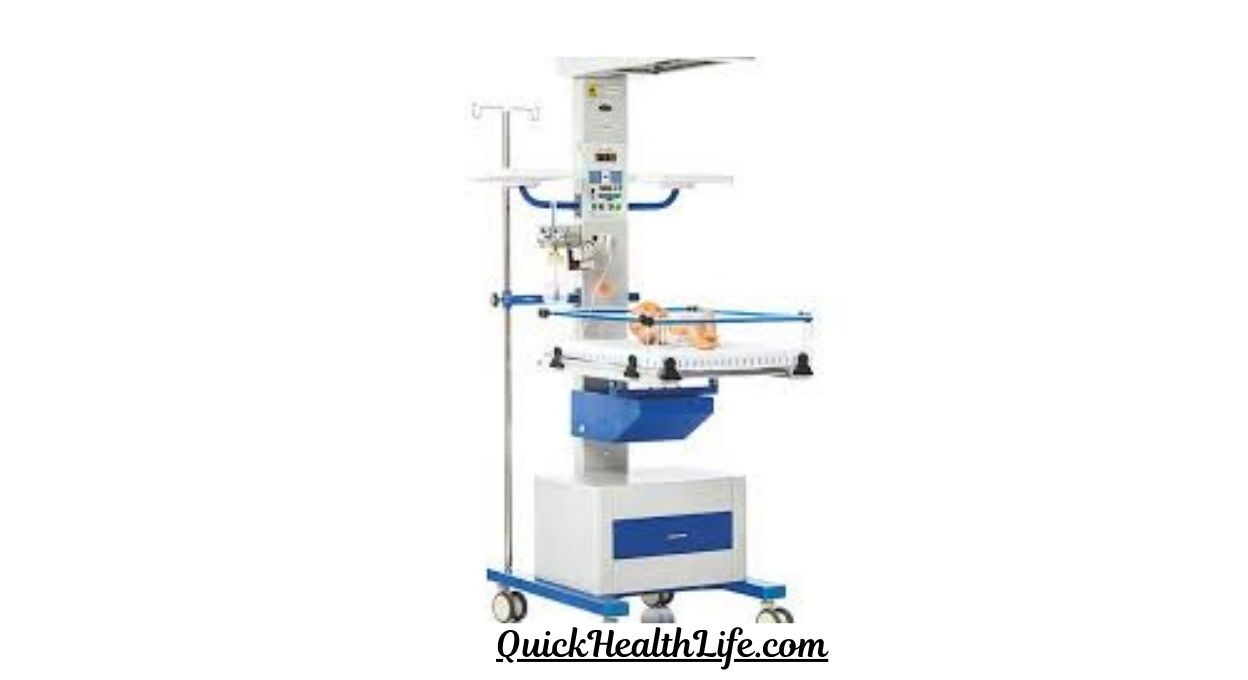
A baby warmer is a medical device used to maintain the body temperature of newborn babies, especially those who are premature, underweight, or sick.
- Medical name: It is commonly called a Radiant Warmer.
- Purpose: To provide a controlled warm environment for the baby, without covering them fully, so that doctors and nurses can easily examine or treat the baby.
It ensures the newborn’s body temperature stays stable between 36.5°C to 37.5°C, which is essential for survival and healthy growth.
Table of Contents
Why is a Baby Warmer Important?
- Newborns lose heat quickly because they have thin skin and less fat.
- Premature babies are at even higher risk of hypothermia (low body temperature).
- Cold stress can lead to breathing problems, low blood sugar, and even life-threatening conditions.
A baby warmer provides consistent warmth and keeps the baby safe.
Procedure of Using a Baby Warmer
As someone with a deep interest in neonatal care topics, I’ll break the procedure into simple steps:
- Preparation
- Check that the warmer machine is properly connected to power.
- Ensure the temperature sensor is working.
- Warm the unit before placing the baby.
- Placing the Baby
- Baby is placed on the warmer bed (open surface).
- The overhead radiant heater is switched on.
- A temperature probe may be attached to the baby’s skin.
- Monitoring
- The warmer adjusts heat output based on the baby’s temperature.
- Oxygen levels, heart rate, and respiration may also be monitored.
- Care During Warming
- Medical staff can access the baby easily for treatment, suctioning, or procedures.
- Phototherapy lights can be added if the baby has jaundice.
- Completion
- Once the baby’s condition is stable, they may be shifted to an incubator or kept with the mother in Kangaroo Mother Care (skin-to-skin).
Indications for Using a Baby Warmer
Doctors recommend a baby warmer in the following conditions:
- Premature birth (before 37 weeks)
- Low birth weight (less than 2.5 kg)
- Sick or unstable babies
- Babies with breathing difficulties
- Babies undergoing procedures (IV line, blood transfusion, etc.)
- Babies receiving phototherapy for jaundice
- Post-surgery care of newborns
Types of Baby Warmers
There are different types of baby warmers used in hospitals:
1. Radiant Warmers
- Most common type.
- Overhead heating source with open bed.
- Allows easy access to the baby during treatment.
2. Incubators (Compared with Warmers)
- Enclosed chamber with controlled temperature and humidity.
- Used for very premature babies needing isolation.
- Difference: Incubators are closed, while warmers are open.
3. Phototherapy Warmers
- Combination of radiant warmer + phototherapy unit.
- Used in babies with neonatal jaundice.
4. Transport Warmers
- Portable warmers used in ambulances or during shifting from one unit to another.
5. Home Baby Warmers (Baby Warmer Clothes/Blankets/Bags)
- Special baby warmer clothes, blankets, and sleeping bags are available for parents at home.
- These are not medical devices but help keep the baby warm in cold weather.
Baby Warmer Temperature
- The ideal body temperature of a newborn: 36.5°C to 37.5°C
- Baby warmer machines usually maintain: 36°C to 37°C (skin mode)
- In manual mode: The warmer is set around 25°C to 30°C environment temperature.
Monitoring is important because both overheating and under-heating can be harmful.
Baby Warmer Machine Parts
A standard baby warmer machine includes:
- Overhead Radiant Heater – Provides heat.
- Baby Bed Platform – Where the baby lies.
- Control Panel – To adjust temperature and modes.
- Temperature Probes/Sensors – To monitor baby’s skin temp.
- Phototherapy Unit (optional) – For jaundice treatment.
- Side Rails – For baby’s safety.
- Wheels – For mobility.
Baby Warmer vs Incubator
| Feature | Baby Warmer | Incubator |
|---|---|---|
| Design | Open bed | Closed chamber |
| Access | Easy for doctors/nurses | Limited due to closed walls |
| Use | Short-term stabilization, treatment, procedures | Long-term care, premature babies |
| Humidity | No humidity control | Humidity controlled |
Both are useful, but doctors choose depending on the baby’s condition.
Baby Warmer vs Phototherapy
| Feature | Baby Warmer | Phototherapy |
|---|---|---|
| Purpose | To keep baby warm | To treat jaundice by breaking down bilirubin |
| Heat | Provides heat | Provides blue light (not heat) |
| Combination | Can be combined with phototherapy | Sometimes built into baby warmer |
So, both are different but often used together for jaundiced newborns.
Baby Warmer Clothes, Blankets, and Bags
Apart from hospital devices, parents often search for:
- Baby warmer clothes – Soft woolen clothes to keep newborns warm.
- Baby warmer blankets – Electrically heated or thermal blankets.
- Baby warmer bags – Sleeping bags with thermal insulation.
- Baby carrier – Helps parents hold babies close, providing body warmth.
These are not replacements for medical warmers but help in normal conditions at home.
Best Cost of Baby Warmers in India
As I have studied medical devices and costs deeply, here’s a general cost idea:
- Basic Radiant Baby Warmer Machine – ₹30,000 to ₹70,000
- Advanced Warmers with Phototherapy – ₹80,000 to ₹1.5 Lakh
- Transport Baby Warmers – ₹50,000 to ₹1 Lakh
- Baby Warmer Clothes/Blankets – ₹500 to ₹3000
- Baby Bottle Warmer (for milk) – ₹1000 to ₹5000
Prices vary depending on brand, features, and hospital quality.
Benefits of Baby Warmers
- Maintains stable temperature
- Reduces risk of hypothermia
- Allows easy medical access
- Can be combined with phototherapy
- Essential for premature and sick babies
Risks & Complications of Baby Warmers
Although very safe, some risks include:
- Overheating (if temperature not monitored)
- Dehydration due to open system
- Infection risk (but less than incubators due to open access)
- Burns (rare, if probe misused)
That’s why trained staff always monitor the baby.
FAQs on Baby Warmers
Q1: What is the purpose of a baby warmer?
To keep newborns warm and stable, preventing hypothermia.
Q2: What is the medical name for a baby warmer?
Radiant Warmer.
Q3: What is the difference between an incubator and a baby warmer?
Incubator is closed with humidity, baby warmer is open with radiant heat.
Q4: What is the difference between phototherapy and warmer?
Warmer provides heat, phototherapy provides light for jaundice treatment.
Q5: Can I use a baby warmer at home?
Medical warmers are for hospitals. At home, parents can use baby warmer blankets, clothes, or Kangaroo Mother Care.