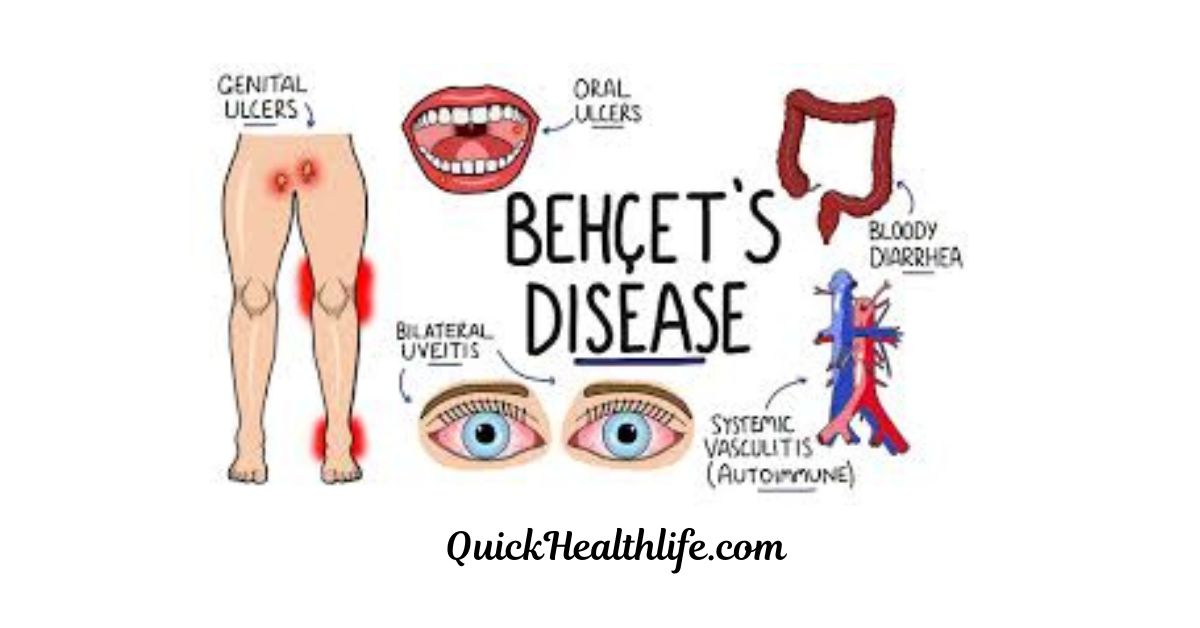
Behçet’s disease (pronounced beh-CHETS) is a rare and complex autoimmune disorder that affects blood vessels throughout the body. It causes inflammation, leading to various symptoms that can affect your mouth, skin, eyes, joints, and even internal organs.
What is Behçet’s Disease?
Behçet’s disease, also known as Behçet’s syndrome, is a type of vasculitis — inflammation of blood vessels. This inflammation can restrict blood flow, causing tissue damage. The disease can affect arteries and veins of all sizes, making it a systemic condition.
It was first identified by Turkish dermatologist Dr. Hulusi Behçet in the 1930s, hence the name. While rare globally, it is more common in countries along the ancient Silk Road — including Turkey, Japan, Iran, and the Middle East.
Table of Contents
Symptoms of Behçet’s Disease
Behçet’s disease symptoms vary from person to person and may come and go. Common signs include:
1. Mouth Sores (Oral Ulcers)
- Painful, recurring ulcers similar to canker sores.
- Usually heal within 1–3 weeks but recur frequently.
2. Genital Sores
- Painful ulcers on the scrotum, vulva, or vagina.
- May leave scars after healing.
3. Eye Inflammation (Uveitis)
- Causes redness, pain, and blurred vision.
- Recurrent inflammation can lead to vision loss if untreated.
4. Skin Problems
- Acne-like lesions.
- Red, tender nodules (erythema nodosum), often on legs.
5. Joint Pain
- Swelling and stiffness, particularly in knees and ankles.
6. Gastrointestinal Symptoms
- Abdominal pain, diarrhea, or bleeding from intestinal ulcers.
7. Neurological Issues
- Headaches, confusion, stroke-like symptoms in severe cases.
8. Vascular Problems
- Blood clots or aneurysms due to vessel inflammation.
Types of Behçet’s Disease
Behçet’s disease is classified based on which organs are primarily affected:
| Type | Main Affected Areas | Common Symptoms |
|---|---|---|
| Mucocutaneous Type | Mouth, skin, genitals | Sores and skin lesions |
| Ocular Type | Eyes | Uveitis, blurred vision |
| Neurological Type | Brain, CNS | Headache, balance problems |
| Vascular Type | Blood vessels | Thrombosis, aneurysm |
| Gastrointestinal Type | Digestive tract | Ulcers, pain, diarrhea |
Causes and Risk Factors
While the exact cause is unknown, experts believe Behçet’s disease occurs due to a combination of genetic, immune, and environmental factors.
Genetic Factors
- People with the HLA-B51 gene are more likely to develop the disease.
Immune System Dysfunction
- The immune system mistakenly attacks healthy blood vessels.
Environmental Triggers
- Viral or bacterial infections may trigger flare-ups.
Risk Factors
- Age: Most common between 20–40 years.
- Gender: Males often have more severe symptoms.
- Ethnicity: Common in Middle Eastern, Asian, and Mediterranean populations.
Behçet’s Disease Triad Explained
Doctors often refer to the Behçet’s Triad, which includes:
- Oral ulcers
- Genital ulcers
- Eye inflammation (uveitis)
This triad is the hallmark of Behçet’s disease diagnosis, although not all patients experience all three symptoms simultaneously.
Diagnosis and Blood Tests
There’s no single test for Behçet’s disease. Diagnosis is based on clinical criteria and medical history.
Diagnostic Criteria
According to the International Study Group for Behçet’s Disease:
- Recurrent mouth ulcers (at least 3 times in 12 months), plus 2 of the following:
- Genital ulcers
- Eye inflammation
- Skin lesions
- Positive pathergy test (skin hypersensitivity test)
Blood Tests
While no blood test confirms Behçet’s disease, tests may help rule out other conditions:
- CBC (Complete Blood Count)
- ESR and CRP (Inflammation markers)
- HLA-B51 gene testing
Behçet’s Rash and Skin Manifestations
Skin symptoms are common in Behçet’s disease. They can mimic acne or appear as red nodules.
Common skin signs:
- Erythema Nodosum: Red, tender bumps on the legs.
- Papulopustular Lesions: Acne-like spots, usually on the arms, back, or face.
- Pathergy Reaction: Small red bump after a needle prick — a unique feature of Behçet’s.
(If you’re looking for visual guidance, you can find reference images on trusted sources like Mayo Clinic and the NHS website.)
Common Triggers and Flare-ups
A flare-up occurs when symptoms worsen suddenly. Common triggers include:
- Stress and lack of sleep
- Infections
- Hormonal changes
- Smoking
- Certain foods (spicy, acidic)
- Weather changes
To manage flare-ups, tracking triggers in a diary is helpful.
Treatment and Management
Currently, there’s no cure for Behçet’s disease. However, treatments help reduce inflammation and prevent complications.
1. Medications
| Type | Example | Purpose |
|---|---|---|
| Corticosteroids | Prednisone | Reduce inflammation |
| Immunosuppressants | Azathioprine, Cyclosporine | Control immune response |
| Biologics | Infliximab, Adalimumab | Target specific immune pathways |
| Topical ointments | Colchicine cream | Relieve skin and mouth sores |
2. Lifestyle Changes
- Eat an anti-inflammatory diet.
- Avoid smoking and alcohol.
- Exercise regularly and sleep well.
3. Supportive Therapies
- Eye drops for uveitis
- Pain relief medications
- Regular follow-ups with specialists
Lifestyle Tips and Diet (Foods to Avoid)
Diet plays a role in managing inflammation. Here’s what you should know:
Foods to Avoid
- Processed foods high in sugar
- Spicy and acidic items (can worsen mouth ulcers)
- Alcohol
- Red meat (limit intake)
Foods to Include
- Leafy greens and whole grains
- Omega-3 rich foods (fish, walnuts)
- Fruits high in antioxidants
- Probiotic-rich yogurt
Complications of Behçet’s Disease
If untreated, Behçet’s disease can cause severe complications:
- Vision loss from chronic uveitis
- Blood clots and aneurysms
- Bowel perforation
- Brain inflammation (meningoencephalitis)
- Joint damage
Early diagnosis and continuous treatment are crucial to avoid these.
Prognosis and Life Expectancy
Many people wonder — is Behçet’s disease curable?
While it’s not curable, it’s manageable. With proper treatment, most people lead normal lives.
Life expectancy is generally normal, though severe vascular or neurological involvement may slightly reduce it.
Living with Behçet’s: Patient Care Tips
- Keep a symptom diary.
- Avoid stress and infections.
- Follow a healthy sleep routine.
- Attend regular medical checkups.
- Seek support groups — emotional support is key.
FAQs About Behçet’s disease
1. Is Behçet’s disease curable?
No, it’s not curable, but symptoms can be effectively managed with medication and lifestyle changes.
2. What causes a Behçet’s flare-up?
Flare-ups are often triggered by stress, infections, hormonal changes, or certain foods.
3. What is the Behçet’s disease triad?
It refers to the three main symptoms — mouth ulcers, genital ulcers, and eye inflammation.
4. What foods should you avoid with Behçet’s disease?
Avoid spicy, processed, and acidic foods that may worsen ulcers or inflammation.
5. How is Behçet’s disease diagnosed?
Diagnosis is based on symptoms, clinical criteria, and exclusion of other diseases.
6. What is the life expectancy for Behçet’s patients?
Most people live normal lifespans with proper treatment and management.
Conclusion
Behçet’s disease, though rare, is a complex autoimmune condition that requires ongoing management. With early diagnosis, appropriate treatment, and lifestyle adjustments, patients can live active, fulfilling lives.