What Is Bile Duct Cancer?
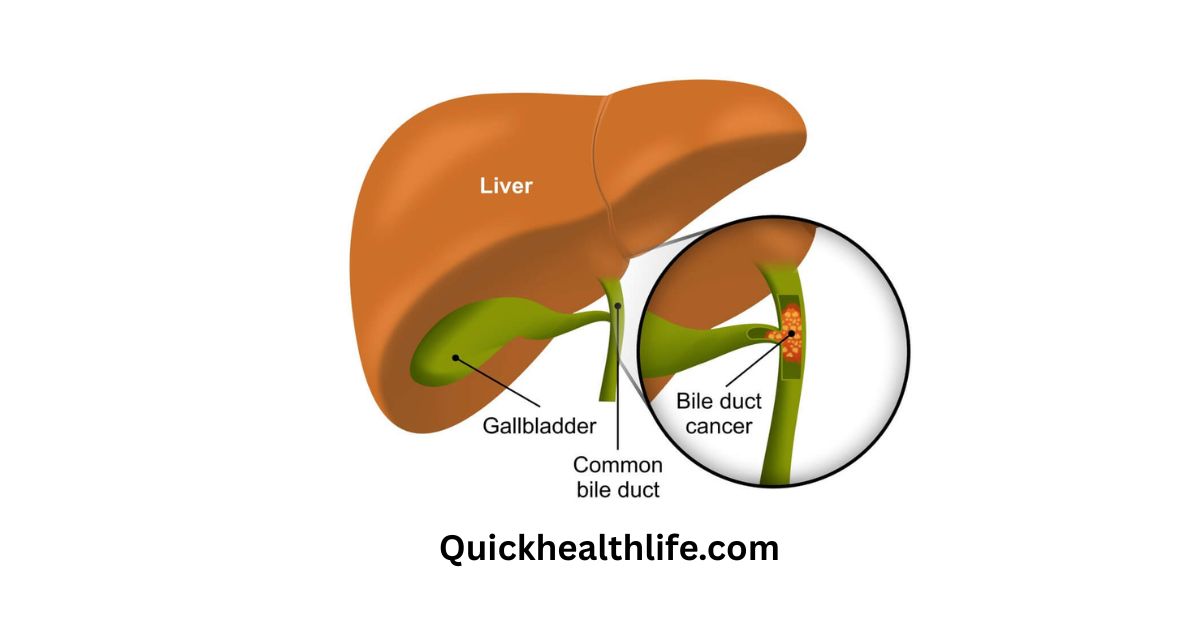
Bile duct cancer, also known as cholangiocarcinoma, is a rare but serious cancer that develops in the tubes (bile ducts) carrying bile — a fluid that helps digest fats — from the liver and gallbladder to the small intestine.
When these ducts become cancerous, they block bile flow, leading to jaundice, itching, abdominal pain, and other symptoms.
Although it’s not as common as other cancers, it’s one of the most challenging to detect early, which makes awareness extremely important.
Table of Contents
Functions of the Bile Duct
Before understanding the cancer, let’s see why the bile duct is so important:
- It carries bile from the liver (where it’s made) to the small intestine (where it helps digest fat).
- It also removes waste from the liver.
- Any blockage or tumor in these ducts can seriously affect digestion and liver function.
Symptoms of Bile Duct Cancer
Bile duct cancer often develops slowly and may not show symptoms in early stages. However, when symptoms appear, they’re often related to bile flow blockage.
Common Early Symptoms
- Yellowing of the skin and eyes (Jaundice)
- Dark urine and pale stool
- Itchy skin
- Abdominal pain, especially on the right side
- Loss of appetite
- Unexplained weight loss
- Fever or fatigue
Symptoms in Advanced or Final Stages
In later stages, symptoms become more severe:
- Intense abdominal pain
- Swelling in the abdomen (Ascites)
- Severe jaundice
- Liver failure or infection
- Extreme weakness
- Loss of consciousness in terminal stages
Bile Duct Cancer Symptoms in Females
In women, symptoms are usually the same but sometimes mistaken for gallbladder disease or hormonal issues. Women may also experience:
- Nausea and bloating after eating fatty foods
- Pain under the right rib cage
- Fatigue and skin changes (due to hormonal differences)
Causes of Bile Duct Cancer
The exact cause isn’t always clear, but doctors know that certain genetic mutations cause cells in the bile duct to grow uncontrollably.
What Is the Number One Cause of Bile Duct Cancer?
The top known cause is chronic inflammation of the bile ducts, often due to conditions like:
- Primary sclerosing cholangitis (PSC) – a liver disease that scars bile ducts.
- Bile duct stones or gallstones.
- Parasitic infections in the liver or bile ducts (common in some Asian regions).
Other Common Risk Factors
- Long-term liver diseases such as hepatitis B or C.
- Cirrhosis (liver scarring).
- Obesity and diabetes.
- Exposure to harmful chemicals.
- Family history of liver or bile duct cancer.
- Smoking and alcohol use.
Types of Bile Duct Cancer
Doctors classify bile duct cancer based on where it starts.
1. Intrahepatic Cholangiocarcinoma
- Occurs inside the liver.
- Accounts for about 10% of bile duct cancers.
- Often mistaken for liver cancer.
2. Perihilar Cholangiocarcinoma
- Starts at the junction where ducts leave the liver.
- Also called Klatskin tumor.
- It’s the most common type.
3. Distal Cholangiocarcinoma
- Begins near the small intestine.
- Usually diagnosed earlier because it blocks bile flow quickly.
How Fast Does Bile Duct Cancer Spread?
Bile duct cancer spreads slowly at first but becomes aggressive once it reaches nearby organs like the liver, pancreas, or lymph nodes.
Unfortunately, because symptoms appear late, most people are diagnosed in advanced stages.
How Is Bile Duct Cancer Diagnosed?
Doctors use several tests to confirm the diagnosis.
1. Imaging Tests
- Ultrasound – first step to check liver and ducts.
- CT scan or MRI – shows tumor size and spread.
- ERCP (Endoscopic Retrograde Cholangiopancreatography) – visualizes and takes samples from bile ducts.
2. Blood Tests
- Liver function tests to detect blockage or damage.
- Tumor markers like CA 19-9 and CEA help identify cancer activity.
3. Biopsy
- A tissue sample confirms cancer under a microscope.
- It’s the most accurate test for diagnosis.
Treatment
Treatment depends on cancer stage, location, and overall health.
1. Surgery
If cancer is caught early, surgery offers the best chance of cure.
- Partial hepatectomy – removes part of the liver and ducts.
- Whipple procedure – removes affected organs near the pancreas.
- Liver transplant – for specific early-stage cases.
2. Chemotherapy and Radiation
Used when surgery isn’t possible or after surgery to prevent recurrence.
Common drugs include gemcitabine and cisplatin.
Radiation helps shrink tumors and ease pain.
3. Targeted and Immunotherapy
Modern treatments like pembrolizumab (Keytruda) and FGFR inhibitors target specific mutations and boost the immune system against cancer cells.
4. Palliative Care
In advanced stages, palliative care focuses on relief from pain, jaundice, and discomfort, helping patients live more comfortably.
Complications of Bile Duct Cancer
- Liver failure
- Infections (due to blocked ducts)
- Malnutrition
- Severe itching and fatigue
- Jaundice-related complications
What Happens in the Final Stages of Bile Duct Cancer?
In the final stage, cancer usually spreads to the liver, lungs, or bones.
Patients may experience:
- Severe pain and weakness
- Loss of appetite and weight
- Fluid buildup in the abdomen
- Drowsiness and confusion due to liver failure
Palliative care is essential at this point to ease pain and maintain dignity.
Prognosis and Survival Rate
You might wonder, “What is the survival rate for bile duct cancer?”
- Early-stage: 30–40% 5-year survival rate (if surgery is possible).
- Advanced stage: Below 10% survival rate.
Remember, early diagnosis significantly improves outcomes.
So, don’t ignore persistent jaundice, abdominal pain, or unexplained weight loss.
Can Bile Duct Cancer Be Cured?
Yes, it can be cured — but only if detected early and surgically removed completely.
For advanced stages, treatments can control symptoms and slow the disease.
Preventing Bile Duct Cancer
While you can’t control all factors, here’s what helps lower risk:
- Avoid alcohol and tobacco.
- Maintain a healthy weight.
- Eat a balanced diet rich in fiber and low in fat.
- Get vaccinated for hepatitis B.
- Treat liver and gallbladder diseases early.
FAQs About Bile Duct Cancer
1. Is bile duct cancer terminal?
Not always. Early-stage cases can be treated successfully, but advanced stages can be terminal.
2. What are symptoms of stage 4 bile duct cancer?
Severe jaundice, pain, fatigue, weight loss, and fluid buildup in the abdomen.
3. How long can you live with bile duct cancer?
With treatment, some patients live several years; without treatment, survival may be months.
4. Can bile duct cancer come back after surgery?
Yes, recurrence is possible, so regular follow-ups are essential.
5. Who is most at risk for bile duct cancer?
People with liver disease, gallstones, chronic bile duct inflammation, or hepatitis infections.
6. How is bile duct cancer different from liver cancer?
It starts in the ducts, not in the liver cells themselves.