An EEG machine, short for Electroencephalogram, is a device that measures the electrical activity of your brain. It’s widely used to detect brain disorders, monitor neurological activity, and study sleep patterns. If you’ve ever wondered, “What does an EEG machine do?” – this article will break it down for you in a way anyone can understand.
What is an EEG Machine?
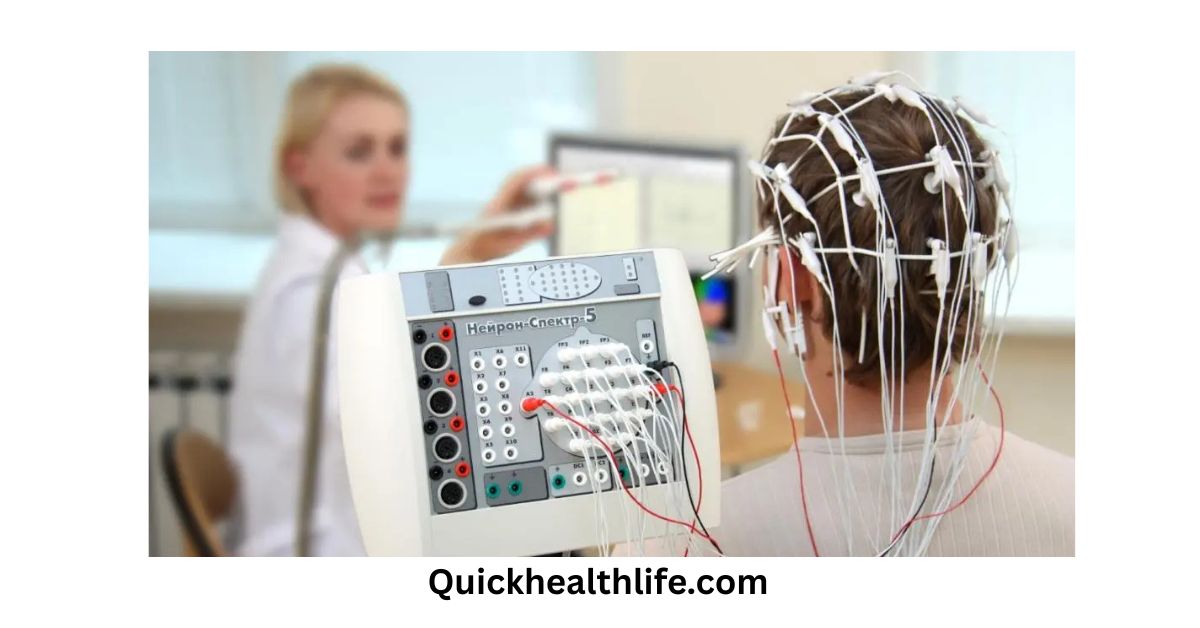
An EEG machine is a medical device that records the electrical activity of the brain through sensors placed on the scalp. These sensors, called electrodes, detect tiny electrical signals produced by brain cells (neurons).
EEG helps neurologists understand how the brain is functioning and identify abnormalities that could indicate various conditions.
Key uses of EEG machines:
- Detecting seizures or epilepsy
- Monitoring sleep disorders
- Evaluating brain activity after head injuries
- Assessing brain function in comatose patients
Table of Contents
How Does an EEG Machine Work?
An EEG test is painless and non-invasive. Here’s how it works in simple steps:
- Preparation: The scalp is cleaned to remove oils and dirt.
- Electrode Placement: Small sensors are attached to the scalp using a gel or adhesive.
- Recording: The EEG machine records electrical activity from different parts of the brain.
- Analysis: The neurologist analyzes the patterns to detect abnormalities.
The brain’s electrical signals appear as wavy lines on a computer screen, called brain wave patterns. Different wave types indicate different brain activities – like alertness, relaxation, or sleep.
Types of EEG Machines
EEG machines can be classified based on use, design, and recording methods. Here are the main types:
1. Routine EEG
- Measures brain activity for 20–40 minutes.
- Used for general diagnosis of epilepsy or seizures.
2. Ambulatory EEG
- Portable device worn for 24–72 hours.
- Records brain activity while you go about your daily routine.
3. Video EEG Monitoring
- Combines video recording with EEG.
- Helps identify seizure triggers and types.
4. Home Use EEG Machines
- Lightweight and portable.
- Can monitor sleep or brain activity at home.
EEG Machine Price
The EEG machine price varies depending on the type, brand, and features. Approximate ranges:
| EEG Machine Type | Price Range (USD) |
|---|---|
| Routine EEG | $3,000 – $10,000 |
| Ambulatory EEG | $5,000 – $12,000 |
| Video EEG | $15,000 – $30,000 |
| Home Use EEG | $500 – $2,500 |
The EEG test price at a hospital may range from $100 to $500, depending on location and type of test.
Top 10 Conditions Diagnosed with EEG
EEG is helpful in diagnosing a wide range of conditions, including:
- Epilepsy and Seizures
- Sleep Disorders (Insomnia, Sleep Apnea)
- Brain Tumors
- Stroke or Brain Injury
- Encephalitis or Brain Infections
- Dementia (Alzheimer’s)
- Coma or Brain Death Assessment
- Migraine or Severe Headaches
- Attention Deficit Hyperactivity Disorder (ADHD)
- Neuropsychiatric Disorders
EEG vs MRI: Which is Better?
Both EEG and MRI are important, but they serve different purposes:
- EEG: Measures electrical activity in real-time; excellent for detecting seizures or epilepsy.
- MRI: Provides detailed images of brain structures; better for tumors or physical damage.
Pro tip from me, Umesh Yadav: For seizure evaluation, EEG is often the first choice, while MRI is used to detect structural issues.
EEG Test Side Effects and Risks
EEG is generally safe and non-invasive. However, there are minor considerations:
- Mild discomfort from electrode placement
- Slight headache in some cases
- Rarely, flashing lights during test can trigger a seizure
No radiation is involved, unlike X-rays or CT scans, making EEG safe for children and adults.
How to Prepare for an EEG Test
- Wash hair and avoid oils or sprays
- Avoid caffeine on the day of the test
- Take prescribed medications unless instructed otherwise
- Wear comfortable clothing
EEG Machine for Home Use: Is it Worth It?
Home EEG devices are gaining popularity due to their convenience and affordability. Benefits include:
- Continuous monitoring at home
- Comfortable for children and elderly
- Easy to track sleep or seizure patterns
However, they may not replace hospital-grade EEG for serious conditions. Always consult a neurologist before relying solely on a home device.
How to Read EEG Results
EEG results are interpreted by neurologists. Patterns in the brain waves indicate:
- Alpha waves: Relaxed, calm state
- Beta waves: Active thinking, alertness
- Delta waves: Deep sleep
- Theta waves: Drowsiness, early sleep stage
Abnormal spikes, slow waves, or irregular rhythms may indicate seizures, tumors, or other brain disorders.
FAQs About EEG Machines
1. What does the EEG machine do?
It records the electrical activity of your brain to detect neurological disorders.
2. Is EEG safe for everyone?
Yes, it’s non-invasive and safe for all ages, including children.
3. Can EEG detect all brain disorders?
No, EEG is excellent for functional issues like seizures but may not detect structural problems, which require MRI or CT scans.
4. How long does an EEG test take?
Typically 20–40 minutes for routine EEG; ambulatory EEG can last 24–72 hours.
5. What are the risks of EEG?
Minimal – mainly mild discomfort or temporary headache. Rarely, flashing lights can trigger seizures.
6. Can I use an EEG machine at home?
Yes, home-use EEG devices exist, but they are mostly for monitoring rather than diagnosing serious conditions.