What Is an Incubator?
An incubator is a specially designed device or system that creates a controlled environment. This environment provides the ideal temperature, humidity, and air composition needed for the growth or protection of living organisms, cells, or even newborn babies.
In simple terms, it’s a safe box that maintains suitable conditions for life or development.
Depending on where it’s used, an incubator can mean different things:
- In hospitals, it keeps premature babies warm and safe.
- In laboratories, it helps microbes or cells grow.
- In business, it helps startups grow and succeed with guidance and resources.
Medical Incubator (Baby Incubator)
What Is a Medical Incubator?
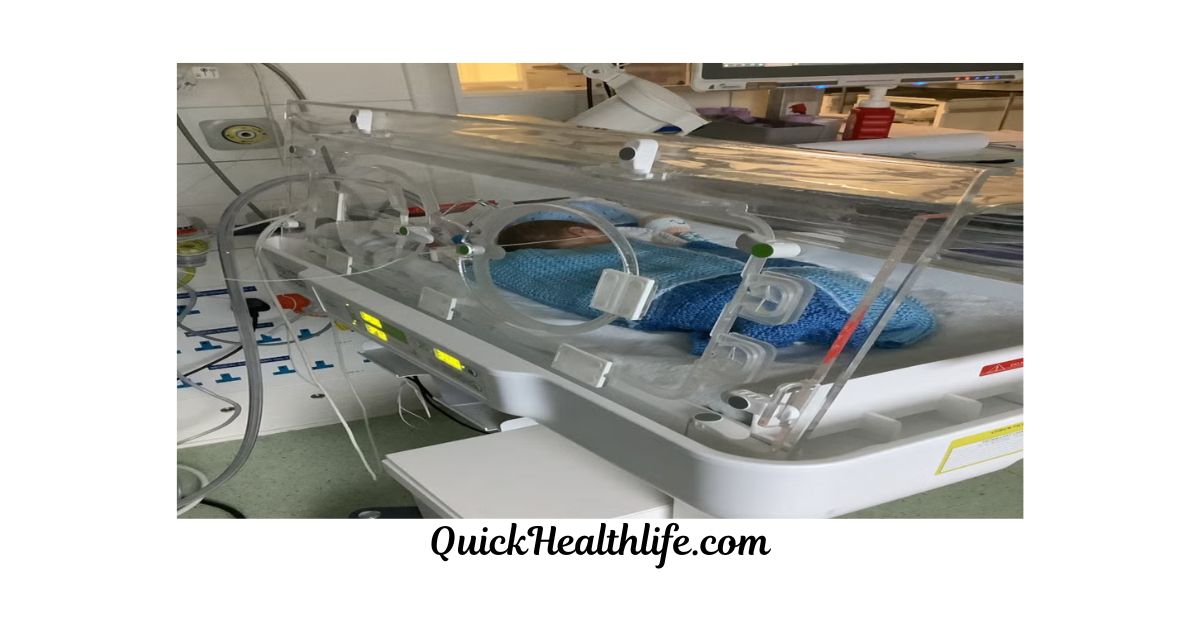
A medical incubator or baby incubator is a machine used in hospitals, especially in neonatal intensive care units (NICUs). It provides a warm and clean environment for premature or sick newborns who can’t regulate their body temperature.
It protects babies from infection, noise, and cold, ensuring that they have the right surroundings to grow stronger.
Uses of Baby Incubator
- Maintains body temperature: Keeps the baby warm at a steady temperature.
- Prevents infections: Filters the air to protect the baby from bacteria and viruses.
- Monitors health: Tracks vital signs like heart rate, oxygen levels, and breathing.
- Reduces human handling: Protects fragile newborns from too much contact.
- Supports premature babies: Helps babies born before 37 weeks survive and develop properly.
How Does a Baby Incubator Work?
A baby incubator works on a simple temperature and humidity control principle:
- Sensors: Detect the baby’s body temperature.
- Heaters: Maintain the incubator’s air temperature based on sensor feedback.
- Humidifiers: Add moisture to the air to prevent the baby’s skin from drying.
- Air filters: Clean the air inside to prevent infections.
- Monitors: Display the baby’s vital parameters for medical staff.
In short, the incubator machine works just like an artificial womb — it provides warmth, oxygen, and protection to newborns until they’re strong enough to survive without assistance.
Types of Baby Incubators
There are several types depending on design and function:
- Closed Incubator: Fully enclosed with air filtration and temperature control.
- Open Incubator (Radiant Warmer): Open top, uses heat lamps to keep the baby warm.
- Transport Incubator: Portable version used for transferring babies between hospitals.
- Servo-Controlled Incubator: Automatically adjusts temperature based on sensors.
- Double-Walled Incubator: Two layers for better heat insulation.
Price of Baby Incubator (2025 Update)
The incubator price in India varies based on features and brand:
| Type | Average Price (INR) | Description |
|---|---|---|
| Basic Baby Incubator | ₹40,000 – ₹70,000 | Simple heating and temperature control |
| Advanced Servo-Controlled | ₹80,000 – ₹1,50,000 | Automatic sensors and alarms |
| Transport Incubator | ₹1,50,000 – ₹3,00,000 | Portable, with battery backup |
| NICU High-End Incubator | ₹3,00,000 – ₹10,00,000+ | Fully automated, advanced safety features |
💡 Tip by Umesh Yadav: When buying a baby incubator, always check for BIS or CE certification to ensure medical safety standards are met.
Laboratory Incubator (Microbiology Incubator)
What Is an Incubator in Microbiology?
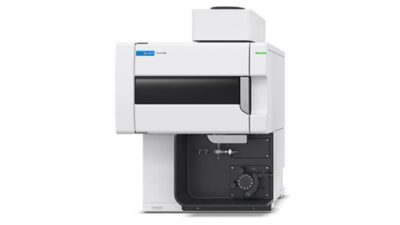
A microbiology incubator is used in laboratories to grow microorganisms like bacteria, fungi, and yeast. It provides the ideal temperature, oxygen, and humidity needed for the growth of microbes.
It’s a must-have in hospitals, research labs, and pharmaceutical companies.
Working Principle
The working principle of a lab incubator is simple — it keeps a constant temperature that supports microbial growth.
For example, most bacteria grow well at 37°C, which is the human body temperature. The incubator maintains this environment continuously for experiments and culture development.
Uses of Laboratory Incubator
- Bacterial culture incubation in microbiology.
- Tissue and cell culture in biotechnology.
- Enzyme activity testing.
- Pharmaceutical quality control.
- Research and development (R&D) studies.
Types of Microbiology Incubators
- Standard Incubator: Maintains temperature for general microbial growth.
- CO₂ Incubator: Used for cell culture and tissue growth.
- BOD Incubator: Used in water and environmental testing.
- Shaking Incubator: Mixes samples while maintaining temperature.
- Refrigerated Incubator: Keeps samples at cool or sub-zero temperatures.
Incubator Price (Laboratory)
| Type | Average Price (INR) | Usage |
|---|---|---|
| Standard Lab Incubator | ₹20,000 – ₹60,000 | Microbial culture |
| BOD Incubator | ₹50,000 – ₹1,20,000 | Water analysis |
| CO₂ Incubator | ₹2,00,000 – ₹5,00,000 | Tissue culture |
| Shaking Incubator | ₹1,50,000 – ₹3,50,000 | Biochemical studies |
🧪 Expert Note (Umesh Yadav): Always calibrate your incubator regularly to maintain accurate temperatures for reliable lab results.
Startup Incubator (Business Incubator)
What Is a Startup Incubator?
A startup incubator is not a machine but a support system for new entrepreneurs. It helps startups grow by providing:
- Office space
- Funding guidance
- Mentorship
- Networking opportunities
It’s called an “incubator” because it nurtures young businesses just like a baby incubator supports a newborn.
Types of Startup Incubators
- Academic Incubators: Run by universities.
- Corporate Incubators: Backed by large companies.
- Government Incubators: Supported by government funding.
- Private Incubators: Run by private investors.
- Virtual Incubators: Online mentorship programs.
Examples of Popular Startup Incubators
- T-Hub (India)
- Y Combinator (USA)
- NASSCOM 10,000 Startups (India)
- Techstars (Global)
💼 Umesh Yadav’s Insight: Just like medical incubators help premature babies grow, startup incubators help small ideas become big businesses.
How Does an Incubator Work?
All incubators — whether for babies, bacteria, or businesses — work on one basic idea: providing controlled conditions for growth.
FAQ
1. What is an incubator used for?
An incubator is used to maintain controlled environmental conditions for growth — of babies, microbes, or startups.
2. What is a medical incubator?
It’s a machine that provides warmth, humidity, and oxygen for premature or sick newborn babies.
3. What is the use of an incubator in ICU?
In an ICU, incubators protect infants who can’t regulate temperature or need respiratory support.
4. What does an incubator do for humans?
It helps fragile newborns survive by providing a stable artificial environment.
5. How much does an incubator cost in India?
Depending on type and technology, prices range from ₹20,000 to ₹10,00,000+.
6. What are startup incubators?
Startup incubators help new businesses grow with mentorship, funding, and resources.
importance of Incubators in Modern Life
From hospitals to laboratories to business hubs, incubators play a crucial role in human progress. They save lives, enable scientific discoveries, and foster innovation.
Whether it’s helping a premature baby survive, a scientist grow bacteria, or an entrepreneur build a startup, the incubator stands as a symbol of growth, care, and innovation.
Conclusion
It’s not just a machine — it’s a lifeline, a research tool, and even a business booster. Understanding its uses, working, and importance helps us appreciate how technology continues to support life and development in multiple ways.