What Is Kisqali?
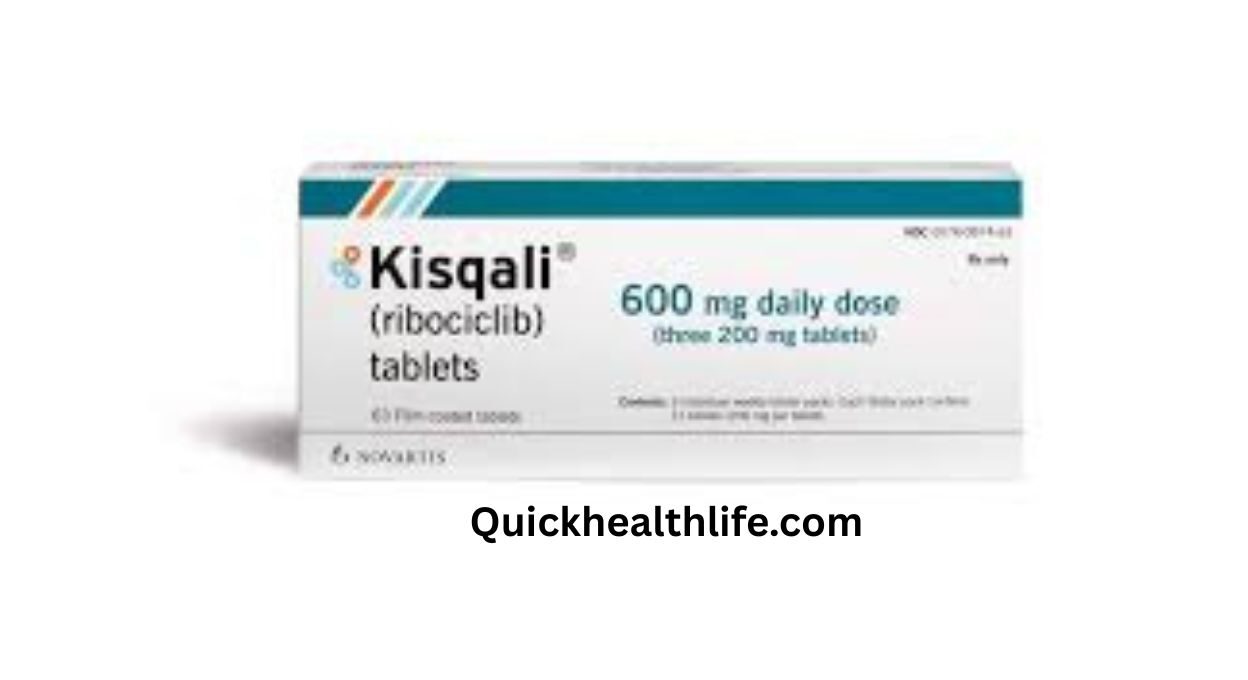
Kisqali (generic name: ribociclib) is a prescription medicine used to treat certain types of advanced or metastatic breast cancer.
It belongs to a group of drugs called CDK4/6 inhibitors. These medicines help slow down or stop the growth of cancer cells in the body.
Kisqali is not chemotherapy, but it is a targeted therapy — which means it attacks specific proteins in cancer cells to prevent them from multiplying.
Table of Contents
What Is Kisqali Used For?
Kisqali is mainly used for:
- Hormone receptor-positive (HR+) and human epidermal growth factor receptor 2-negative (HER2-) advanced breast cancer.
- It is usually prescribed for women who have gone through menopause, but sometimes it can also be used in premenopausal women along with other medicines.
Doctors often prescribe Kisqali with an aromatase inhibitor (like letrozole) or with fulvestrant, depending on the patient’s condition.
In short:
Kisqali is used to control and slow the growth of certain breast cancers by blocking specific enzymes that cancer cells need to multiply.
Is Kisqali Chemotherapy?
No, Kisqali is not chemotherapy.
While chemotherapy kills both healthy and cancerous cells, Kisqali targets only cancer-related proteins (CDK4 and CDK6).
That’s why Kisqali is known as a targeted therapy — it’s usually less harsh than traditional chemotherapy and helps maintain a better quality of life for patients.
Kisqali Mechanism of Action
Let’s understand how Kisqali works in simple terms:
- Our body cells grow and divide through different stages.
- In cancer, these stages go out of control — cells keep dividing nonstop.
- Kisqali blocks CDK4 and CDK6 proteins, which are responsible for controlling cell growth.
- When these proteins are blocked, cancer cells stop dividing and multiplying.
So, Kisqali helps in slowing down the growth of cancer cells and sometimes even shrinking tumors.
Kisqali Dosage and How to Take It
Standard Dosage:
- The usual starting dose of Kisqali is 600 mg once daily (three 200 mg tablets).
- You take it for 21 days, followed by 7 days off — this makes a 28-day cycle.
How to Take Kisqali:
- Swallow the tablets whole, don’t crush or chew them.
- Take them at the same time every day, with or without food.
- If you miss a dose, skip it — do not double up the next day.
- Avoid grapefruit or grapefruit juice, as it can increase the risk of side effects.
Important:
Always follow your doctor’s instructions carefully because the dose may change based on your blood test results or side effects.
Kisqali Side Effects
Like any medicine, Kisqali has both common and serious side effects. Let’s look at both types in simple words:
Common Side Effects:
- Tiredness or fatigue
- Nausea (feeling sick)
- Vomiting
- Diarrhea or constipation
- Loss of appetite
- Hair thinning
- Headache
- Mouth sores
- Trouble sleeping
- Skin rash
These are usually mild and may go away after a few weeks.
Serious Side Effects (Call Your Doctor Immediately):
- Irregular heartbeat (QT prolongation)
- Liver problems (yellowing of skin or eyes)
- Low white blood cell count (neutropenia)
- Breathing difficulty or chest pain
- Fever or infection
Your doctor will monitor your blood tests, heart rhythm (ECG), and liver function regularly during treatment.
When Does Kisqali Stop Working?
Kisqali works well for many patients, but after some time, the cancer may become resistant to it.
This can happen if:
- Cancer cells find new ways to grow.
- The drug no longer blocks the cancer pathways effectively.
When Kisqali stops working, your doctor may:
- Switch you to another CDK4/6 inhibitor, or
- Try a different hormone therapy or chemotherapy.
Always communicate any changes in symptoms or new side effects to your oncologist.
Kisqali Price and Manufacturer
- Manufacturer: Kisqali is made by Novartis Pharmaceuticals, a global healthcare company known for producing high-quality cancer medications.
- Kisqali Price: The cost of Kisqali can be quite high.
Average Kisqali Price (2025):
- In India: Around ₹2,00,000 – ₹3,00,000 per month (depending on dosage and hospital).
- In the USA: Around $13,000 – $15,000 per month before insurance.
Most health insurance plans may cover part of the cost, and patient assistance programs are available through Novartis and NGOs.
Kisqali Benefits: Why Doctors Prescribe It
- Proven to extend life expectancy in advanced breast cancer patients.
- Can delay disease progression for several months or years.
- Often better tolerated than chemotherapy.
- Helps maintain daily life quality for many women.
In combination with other hormone therapies, Kisqali has shown excellent results in slowing cancer spread and improving survival rates.
What Is the Life Expectancy with Kisqali?
Every patient is different, so life expectancy depends on:
- Cancer stage
- Body response to Kisqali
- Other treatments used
However, studies show that Kisqali can extend survival by more than 12–18 months on average in advanced breast cancer cases when compared to hormone therapy alone.
This is why Kisqali is now one of the most trusted CDK4/6 inhibitors in cancer treatment worldwide.
Does Kisqali Stop Cancer from Spreading?
Kisqali doesn’t completely cure cancer, but it helps prevent it from spreading further.
By blocking CDK4/6 proteins, Kisqali slows the growth of cancer cells, keeping the disease under control for a longer time.
When used with hormone therapy, many patients experience a stable condition for several months or even years.
Kisqali vs. Other Cancer Medicines
| Medicine Name | Drug Type | Used For | Main Difference |
|---|---|---|---|
| Kisqali (Ribociclib) | CDK4/6 Inhibitor | HR+, HER2- breast cancer | Strongest evidence for improved survival |
| Ibrance (Palbociclib) | CDK4/6 Inhibitor | HR+, HER2- breast cancer | Similar to Kisqali but different side effects |
| Verzenio (Abemaciclib) | CDK4/6 Inhibitor | HR+, HER2- breast cancer | Can be taken continuously without breaks |
Kisqali is often preferred for its balance between effectiveness and tolerability.
Kisqali Warnings and Precautions
Before starting Kisqali, tell your doctor if you have:
- Heart problems (especially irregular heartbeat)
- Liver disease
- History of low white blood cell count
- You are pregnant or planning pregnancy
- You are breastfeeding
Pregnancy and Breastfeeding Warning:
Kisqali may harm an unborn baby, so use birth control during treatment and for at least 3 weeks after stopping.
Diet and Lifestyle Tips During Kisqali Treatment
- Eat a balanced diet (more fruits, vegetables, and lean proteins).
- Avoid alcohol and grapefruit.
- Stay hydrated and take rest as needed.
- Don’t skip doctor visits or lab tests.
- Exercise lightly if your doctor allows.
These small steps can make a big difference in managing side effects and maintaining your strength.
FAQs About Kisqali
1. What is Kisqali used for?
Kisqali is used to treat HR+/HER2- advanced breast cancer in combination with hormone therapy.
2. Is Kisqali chemotherapy?
No, it is a targeted therapy, not traditional chemotherapy.
3. How much does Kisqali cost per month?
It costs about ₹2–3 lakh in India or $13,000–15,000 in the US per month, depending on your location and health plan.
4. What are common side effects?
Tiredness, nausea, diarrhea, hair thinning, and mouth sores are the most common side effects.
5. Can Kisqali cure cancer completely?
No, but it helps control and slow down cancer growth for a longer time.
6. What is the life expectancy with Kisqali?
It may help extend survival by 1–1.5 years compared to hormone therapy alone.
7. Does Kisqali stop working after some time?
Yes, sometimes cancer cells become resistant, and your doctor may change the treatment plan.
8. Who manufactures Kisqali?
Kisqali is made by Novartis Pharmaceuticals.