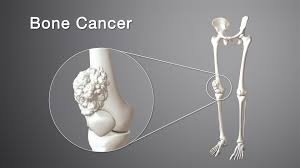
Bone cancer is a serious condition that affects bone cells.
Moreover, it can start in any bone of the body.
However, it is more common in long bones.
Table of Contents
Bone Cancer Symptoms, bone cancer pain, early signs
Bone cancer symptoms can vary from person to person.
However, some signs are more common than others.
Firstly, persistent bone pain is the most common symptom.
Especially, the pain often worsens at night.
Secondly, swelling may appear near the affected bone.
Moreover, weakness in bones can lead to fractures easily.
Additionally, fatigue and weight loss may occur in some patients.
Therefore, ignoring early signs can increase health risks.
Common symptoms include:
- Continuous bone pain
- Swelling and tenderness
- Weak bones and fractures
- Tiredness and fatigue
- Reduced movement
Causes of Bone Cancer, risk factors
Bone cancer causes are still not fully understood.
However, several risk factors increase the chances.
Firstly, genetic changes can play a major role.
Moreover, previous radiation therapy may increase risk.
Secondly, certain bone diseases may lead to cancer development.
For example, Paget’s disease is a known risk factor.
In addition, family history can also contribute.
Therefore, regular checkups become very important.
Types of Bone Cancer, common bone cancer name
There are different types of bone cancer.
Each type affects bones in a different way.
Firstly, Osteosarcoma is the most common type.
It often affects teenagers and young adults.
Secondly, Chondrosarcoma starts in cartilage cells.
Moreover, it is more common in adults.
Thirdly, Ewing Sarcoma affects children and young adults.
It spreads quickly compared to other types.
Other rare forms also exist in medical cases.
Bone Cancer Stages and progression
Bone cancer stages describe how far cancer has spread.
Therefore, understanding stages helps in proper treatment.
Stage 1 is early and localized.
Moreover, cancer has not spread outside the bone.
Stage 2 shows higher cell growth.
However, it still remains in one area.
Stage 3 indicates multiple tumors in one bone.
Therefore, treatment becomes more aggressive.
Stage 4 is the most advanced stage.
At this stage, cancer spreads to other organs.
Bone Cancer Treatment options
Bone cancer treatment depends on the stage and type.
However, doctors use multiple methods together.
Firstly, surgery is the most common treatment.
It removes the cancerous part of the bone.
Secondly, chemotherapy is used to kill cancer cells.
Moreover, it helps stop cancer spread.
Radiation therapy is also used in some cases.
Therefore, it reduces tumor size effectively.
In addition, targeted therapy is becoming popular.
It focuses on specific cancer cell changes.
Bone Cancer Survival Rate and recovery
Bone cancer survival rate depends on early detection.
However, modern treatment improves survival chances.
If detected early, survival rate is much higher.
Moreover, localized cancer has better outcomes.
Advanced stages have lower survival chances.
Therefore, timely treatment is very important.
Recovery also depends on patient health and response.
In addition, regular follow-up improves long-term results.
Is Bone Cancer Deadly, key facts
Bone cancer can be deadly if ignored.
However, early treatment reduces serious risks.
Moreover, not all cases lead to death.
Many patients recover with proper medical care.
Therefore, awareness and early diagnosis are essential.
In addition, lifestyle support improves treatment success.
Best Prevention Tips for Bone Cancer
Bone cancer prevention is not always possible.
However, some steps can reduce risk.
Firstly, maintain a healthy lifestyle.
Secondly, avoid unnecessary radiation exposure.
Moreover, regular health checkups are important.
In addition, early symptom awareness helps a lot.
Healthy diet and exercise support bone strength.
Therefore, strong bones reduce complications.
Prevention tips include:
- Healthy balanced diet
- Regular exercise
- Avoid radiation exposure
- Early medical consultation
- Family history awareness