What is Naloxone?
Naloxone is a life-saving emergency medicine used to reverse opioid overdoses. It is commonly found in hospitals, ambulances, and even public emergency kits. The main purpose of naloxone is simple but powerful—it brings a person back to normal breathing when opioids slow or stop their respiration.
Why Naloxone is Called a Life-Saving Drug
Naloxone is widely known as a rescue medication because opioid overdose can stop breathing completely. Without oxygen, brain damage or death can happen within minutes.
This medicine does not treat addiction—it only reverses overdose effects temporarily so emergency help can arrive.
Table of Contents
Naloxone Uses
Naloxone has very specific medical uses, mainly connected to opioids.
Opioid Overdose Reversal
The primary use is to reverse overdose caused by drugs like:
- Morphine
- Heroin
- Fentanyl
- Oxycodone
It rapidly restores breathing and consciousness.
Emergency Medical Use
Doctors also use naloxone in hospitals to:
- Reverse too much opioid pain medication
- Treat sedation caused by strong painkillers
- Manage accidental overdose during surgery
Naloxone Mechanism of Action
Understanding how naloxone works is very important.
Naloxone is a competitive opioid receptor antagonist, which means it blocks opioid effects in the brain.
It mainly attaches to mu-opioid receptors, pushing opioids away from them. Once these receptors are blocked, the dangerous effects of opioids—like slow breathing—start reversing quickly .
Simple Explanation
Think of opioid receptors like locked doors. Opioids have the key and open those doors, causing strong effects. Naloxone comes in and replaces that key, locking the door again.
Naloxone Dosage
Naloxone dosage depends on age, condition, and route of administration.
Adult Dosage
- Initial IV dose: 0.4 mg to 2 mg
- Repeat every 2–3 minutes if needed
If no response after multiple doses, doctors may reconsider the diagnosis.
Pediatric Dosage
- 0.01 mg/kg IV, IM, or SC
- Repeat doses may be given every few minutes if required
Repeated Dose Rule
Naloxone may need multiple doses because strong opioids like fentanyl can last longer than naloxone itself.
Naloxone Nasal Spray
Naloxone nasal spray is the most common form used outside hospitals.
It is easy to use and does not require needles.
How It Works
- One spray into one nostril
- Works within minutes
- Can be repeated every 2–3 minutes if needed
Steps to Use
- Lay the person on their back
- Insert nozzle into nostril
- Press plunger firmly
- Call emergency services immediately
Popular Brands
- Narcan
- Kloxxado
- Rezenopy
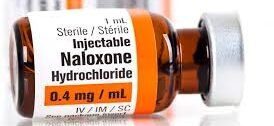
Naloxone Injection
Naloxone injection is used in hospitals and by emergency responders.
Types
- Intramuscular (IM)
- Subcutaneous (SC)
How It Works
Injection works faster than many other routes and is commonly used when nasal spray is not available.
Doctors may repeat doses until breathing is restored.
Naloxone IV Use
IV naloxone is the fastest method.
- Used only in hospitals or emergency settings
- Works within 1–2 minutes
- Allows precise dose control
It is mainly used in surgeries or critical overdose cases.
Naloxone Side Effects
Naloxone is generally safe, but it can cause sudden withdrawal symptoms in opioid-dependent people.
Common Side Effects
- Nausea
- Vomiting
- Sweating
- Fast heart rate
- Anxiety
Severe Effects
- Severe opioid withdrawal
- High blood pressure
- Agitation or confusion
A study shows higher-dose sprays may increase vomiting and withdrawal symptoms compared to standard doses .
Naloxone Cost in 2026
The cost of naloxone varies depending on brand and country.
Price Table
| Form | Price Range |
|---|---|
| Nasal Spray (2 doses) | $50 – $130 |
| Injectable solution | $20 – $500+ |
In many countries, community programs may offer it free or at reduced cost.
Naloxone Pronunciation
Naloxone is pronounced as:
“Na-LOX-own”
Many people also recognize it as:
Nar-can (brand name)
Duration of Action
Naloxone works fast but does not last long.
- IV: 30–90 minutes
- Nasal spray: 30–120 minutes
If opioids last longer, multiple doses may be needed.
Safety and Warnings
Naloxone is very safe, but important points include:
- It does NOT work on non-opioid overdoses
- It may cause sudden withdrawal
- Always call emergency services after use
- Effects are temporary
Naloxone vs Other Antidotes
| Feature | Naloxone | Other Antidotes |
|---|---|---|
| Targets opioids | Yes | No |
| Works fast | Yes | Varies |
| Emergency use | Yes | Limited |
Naloxone is unique because it is specifically designed for opioid overdose reversal.
FAQs
1. What is naloxone used for?
It is used to reverse opioid overdose and restore normal breathing.
2. How fast does naloxone work?
It works within 1–5 minutes depending on the method used.
3. Can naloxone be given at home?
Yes, nasal spray versions are designed for public and home use.
4. Does naloxone work on all overdoses?
No, it only works on opioid-related overdoses.
5. Is naloxone safe?
Yes, it is very safe and has minimal side effects compared to its benefits.
Conclusion
Naloxone is one of the most important emergency medicines in modern healthcare. It saves lives by reversing opioid overdoses within minutes and restoring breathing before permanent damage occurs. Whether used as a nasal spray, injection, or IV medication, its role is critical in hospitals and communities.